As demands for aesthetics and functionality in modern residential and commercial spaces continue to rise, the structural design of curtain tracks is also undergoing continuous improvement. Cross-sectional diagrams clearly illustrate the internal load-bearing structure of the track, the operating space for the rollers, and the installation and connection methods, enabling customers to gain a more intuitive understanding of the product’s performance and manufacturing processes.
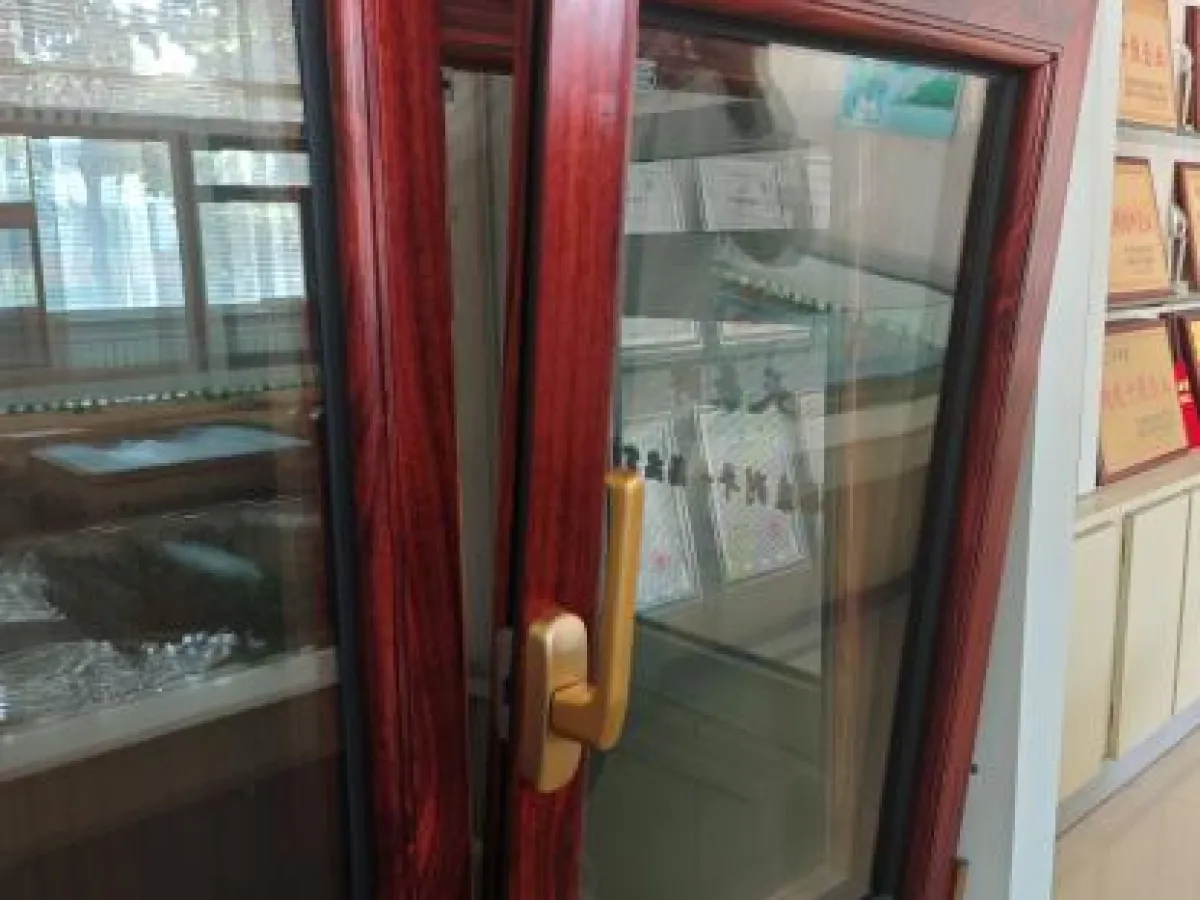
Modern buildings increasingly combine natural aesthetics with high-performance materials. Architects and designers are looking for solutions that provide the appearance of traditional materials while maintaining durability and easy maintenance. In this trend, Wood Finish Aluminium Profiles have become a popular choice for residential, commercial, and hospitality projects.
In modern architecture, the Aluminium Door System is no longer just an entry solution. It is an important part of the building envelope that directly affects safety, energy performance, and user experience. A well-designed system helps ensure long-term stability in both residential and commercial projects.
In modern architecture, doors are no longer just entry points—they are part of the building’s overall performance system. A well-designed Aluminium Door System helps improve safety, durability, and user experience in both residential and commercial buildings.
In modern construction, energy efficiency has become a key requirement for both residential and commercial buildings. One of the most important components supporting this goal is thermal break profile, which helps reduce heat transfer between indoor and outdoor environments. Compared with standard aluminum systems, thermal break profile integrates an insulation strip between aluminum sections, significantly improving thermal performance. This makes it widely used in energy-saving windows, doors, and curtain wall systems.
In modern construction and commercial projects, roller shutter aluminium profiles are widely used for security doors, storefronts, and garage shutters. Their durability, lightweight design, and smooth operation make them an ideal solution for both residential and commercial applications. A high-quality roller shutter aluminium profile is not just a simple extrusion. It must work seamlessly with rolling mechanisms, guide rails, locking systems, and weather seals to ensure reliable operation and long-term performance.
In regions with hot summers or cold winters, thermal break aluminium profiles have become a preferred solution for improving building energy efficiency. They help reduce heat transfer while maintaining the strength and durability of aluminium.
In modern construction, an aluminium sliding door profile is widely used in residential houses, apartments, offices, and commercial buildings. Its combination of durability, smooth operation, and modern appearance makes it a practical solution for projects that require both functionality and aesthetics.
In contemporary architecture, an aluminium curtain wall system profile is essential for creating visually striking and energy-efficient façades. These profiles are preferred because they provide high structural performance, design flexibility, and excellent compatibility with glass, panels, and insulation materials.
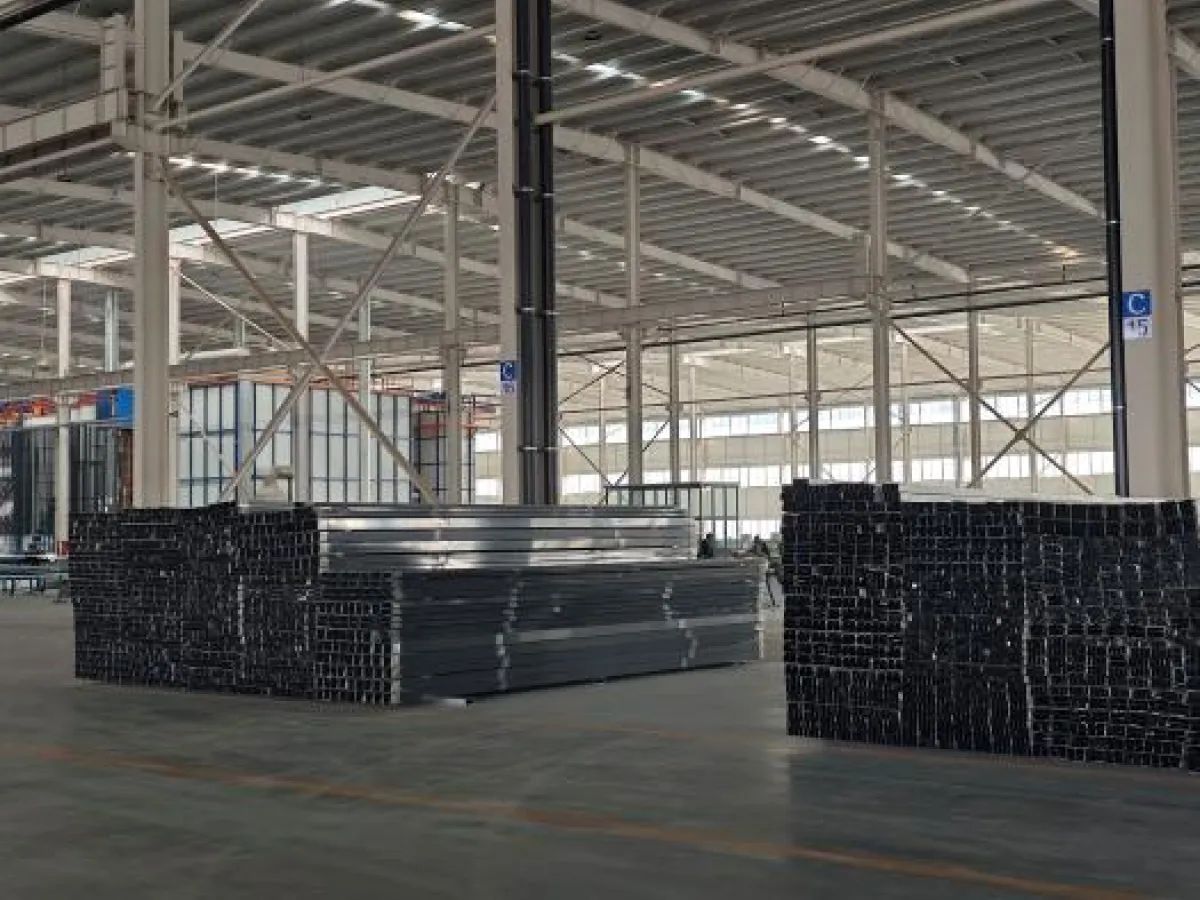
Modern construction requires materials that balance structural performance with design flexibility. In this context, Architectural Aluminum Extrusion has become an essential solution for façades, frames, and customized building systems, offering both strength and architectural freedom.
No 1066,Donghuan Road,Linqu County,Shandong Province,China
 KANGDI


Copyright © 2025 by Shandong Kangdi Aluminum Industry Co., Ltd. All Rights Reserved