Sealing compatibility and system integration play a critical role in the performance of aluminum window and door systems, yet they are often underestimated.
In practice, sealing performance does not depend on a single component. It depends on how well profiles, gaskets, hardware, and installation details work together as one complete system.
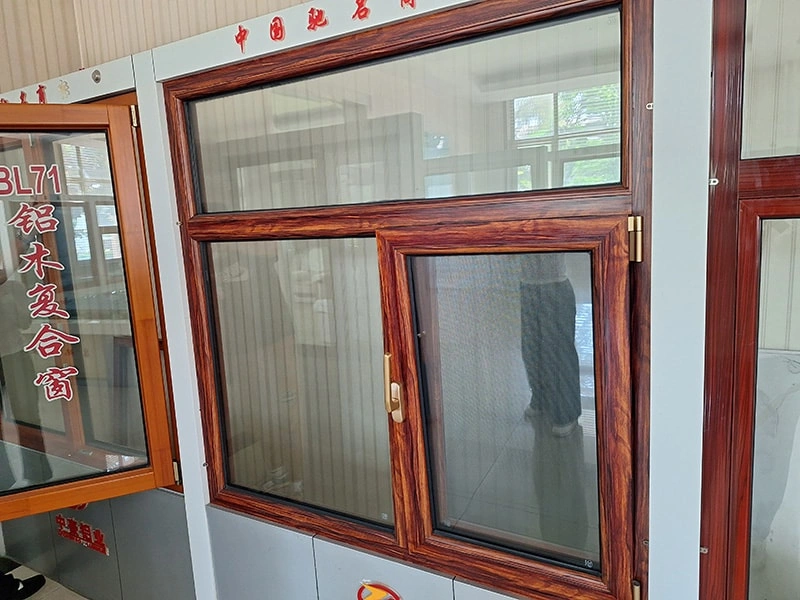
Using high-quality sealing materials alone does not guarantee good airtightness or water resistance. Sealing compatibility means the gasket must match the aluminum profile geometry, surface treatment, hardware movement, and local climate conditions. When seals and profiles are not designed together, performance loss is almost unavoidable, even when premium materials are used.
Profile design is the foundation of effective sealing. Accurate gasket grooves, stable wall thickness for consistent compression, multi-level sealing chambers, and smooth corner transitions all help ensure that seals work under controlled pressure. Good sealing is achieved through proper compression, not excessive force.
True performance comes from system integration. Profiles provide dimensional accuracy, gaskets maintain elasticity, hardware controls opening and closing movement, and drainage paths help release water pressure. If any part fails to cooperate, the sealing performance of the entire system is compromised.
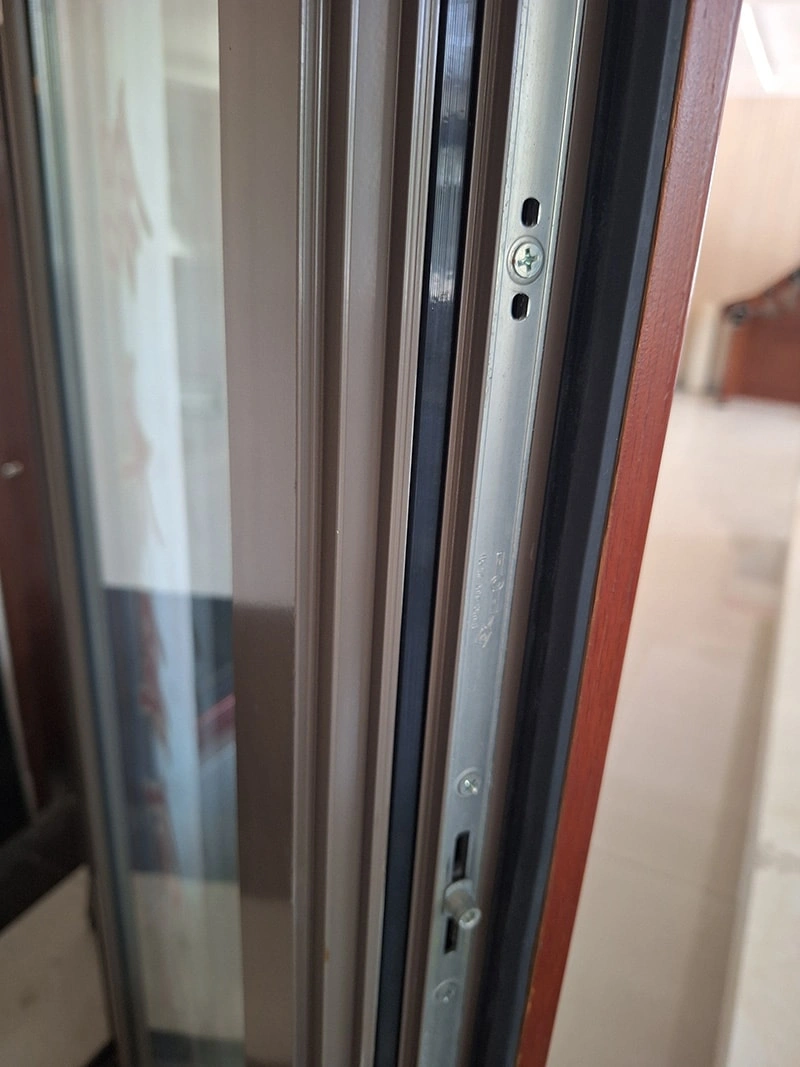
Different systems also require different sealing strategies. Sliding systems focus on low friction and wear resistance, casement systems rely on compression sealing for airtightness, and curtain wall systems demand long-term resistance to UV exposure and harsh weather conditions. A single sealing solution cannot meet the needs of all applications.
Ultimately, sealing performance is not achieved during installation. It is decided at the design stage. In modern aluminum window and door systems, sealing compatibility and system integration are no longer optional — they are essential for durability, reliability, and long-term customer satisfaction.
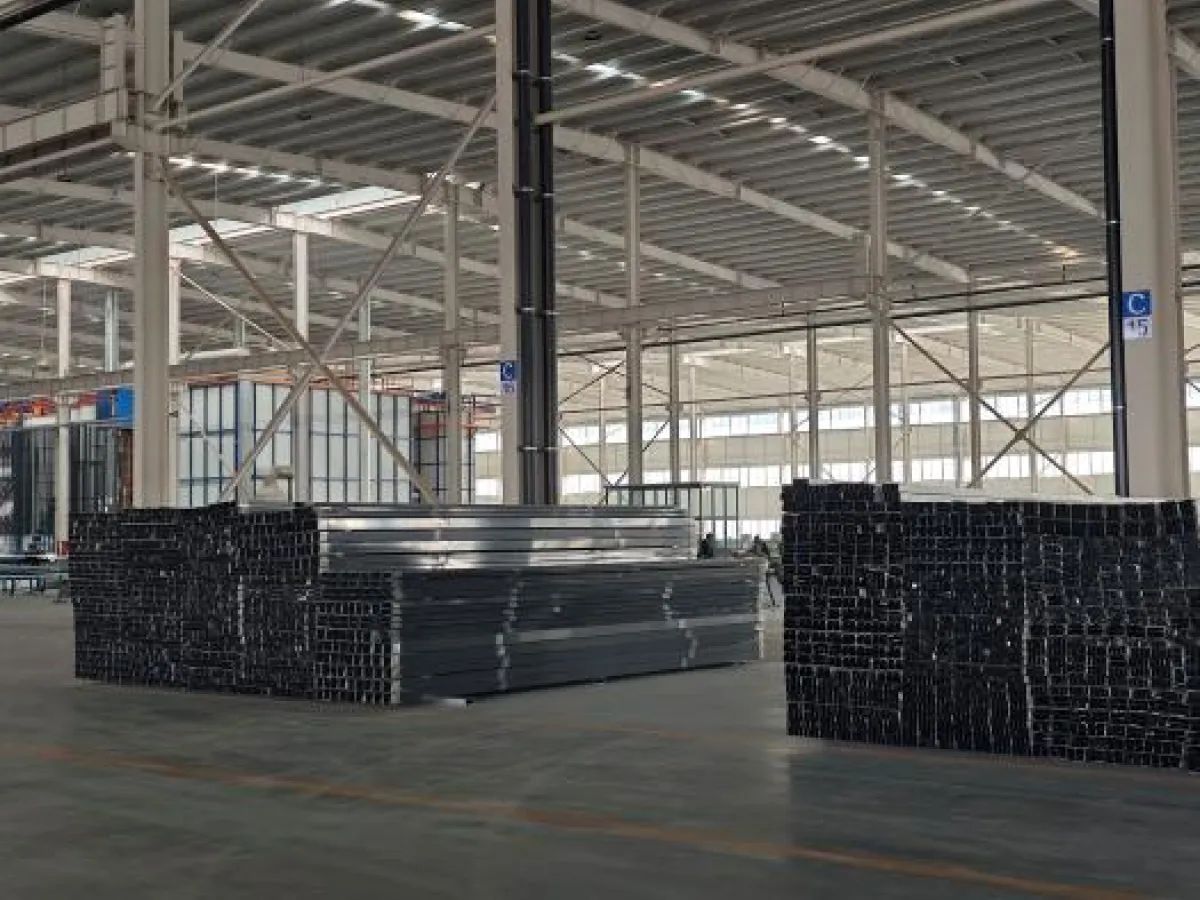
Energy efficiency has become an important consideration in modern construction. Architects, builders, and window manufacturers are looking for materials that can provide better ins
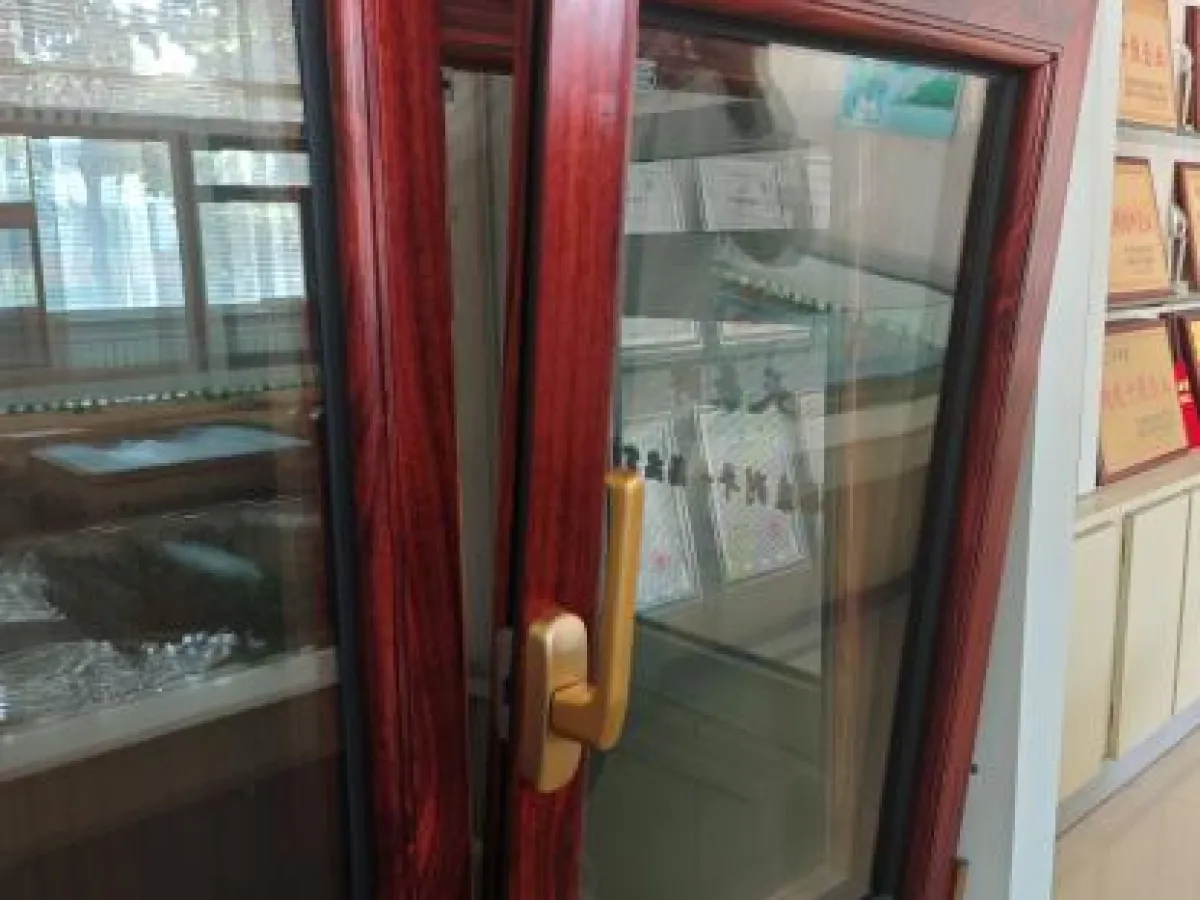
Different applications require different profile designs and performance standards. For example, aluminium profiles used for doors and windows may focus more on dimensional accurac
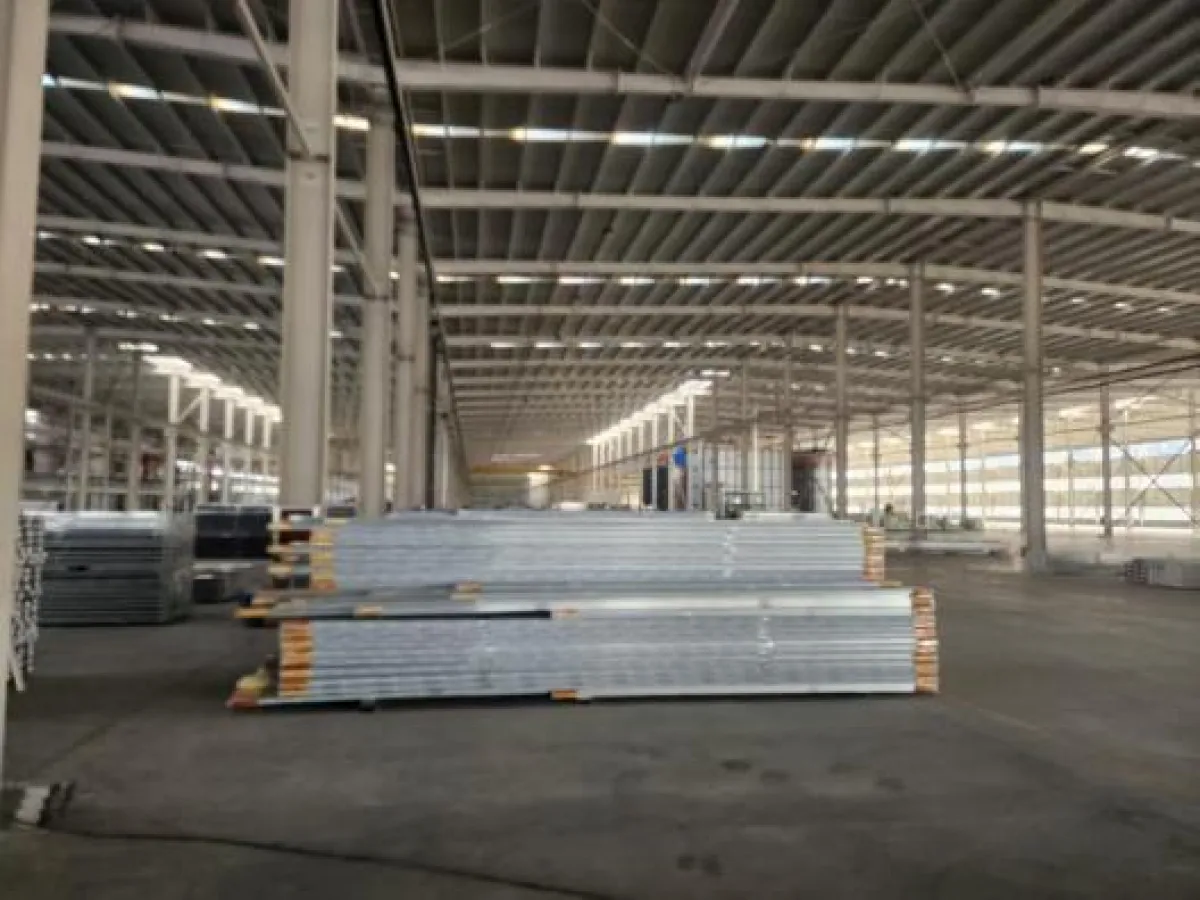
Whether the application is construction, industrial equipment, transportation, or customized projects, the quality and reliability of the supplier directly affect the final product
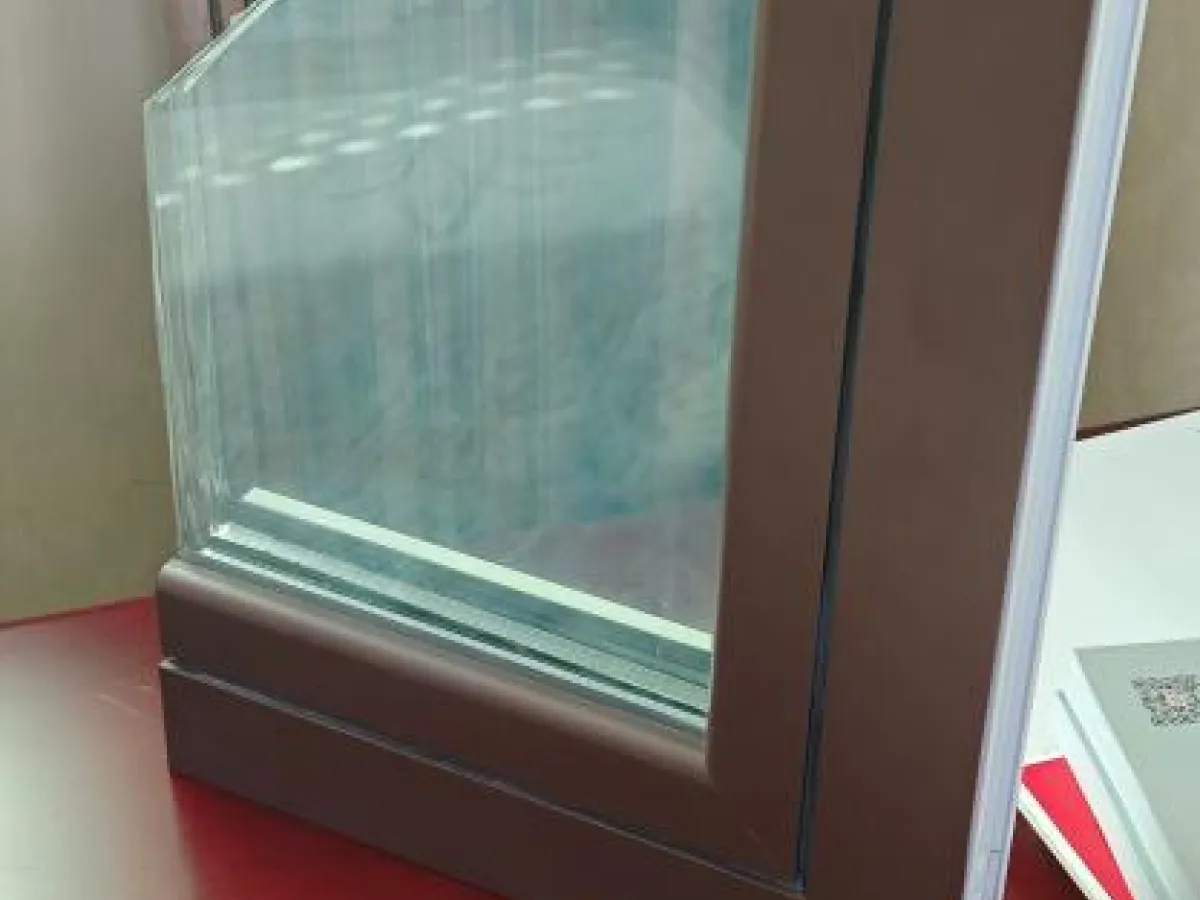
Among these elements, Energy Efficient Aluminium Windows are gaining increasing attention because they combine modern aesthetics, structural strength, and improved thermal performa
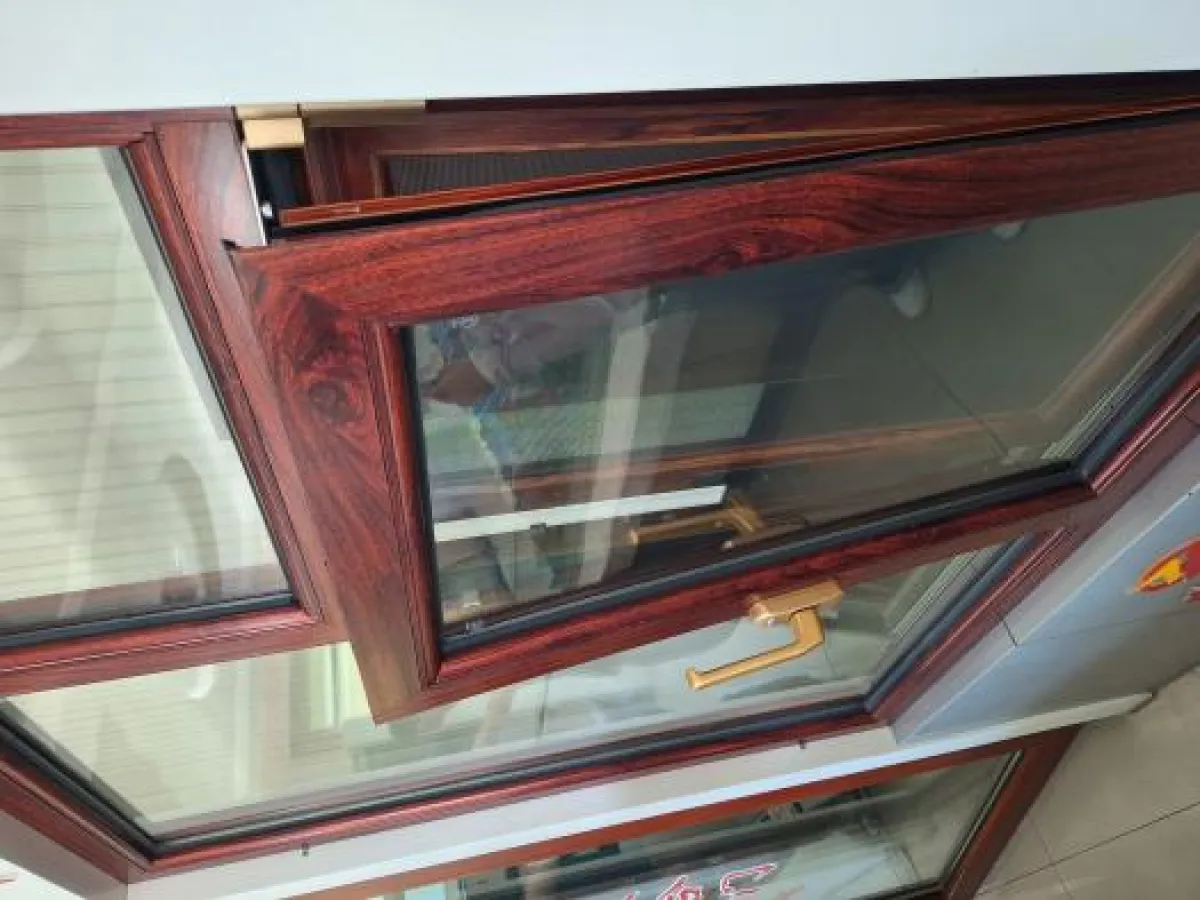
Today, Thermal Break Aluminium Windows are becoming a preferred solution for residential, commercial, and high-performance building projects because they provide a better balance b
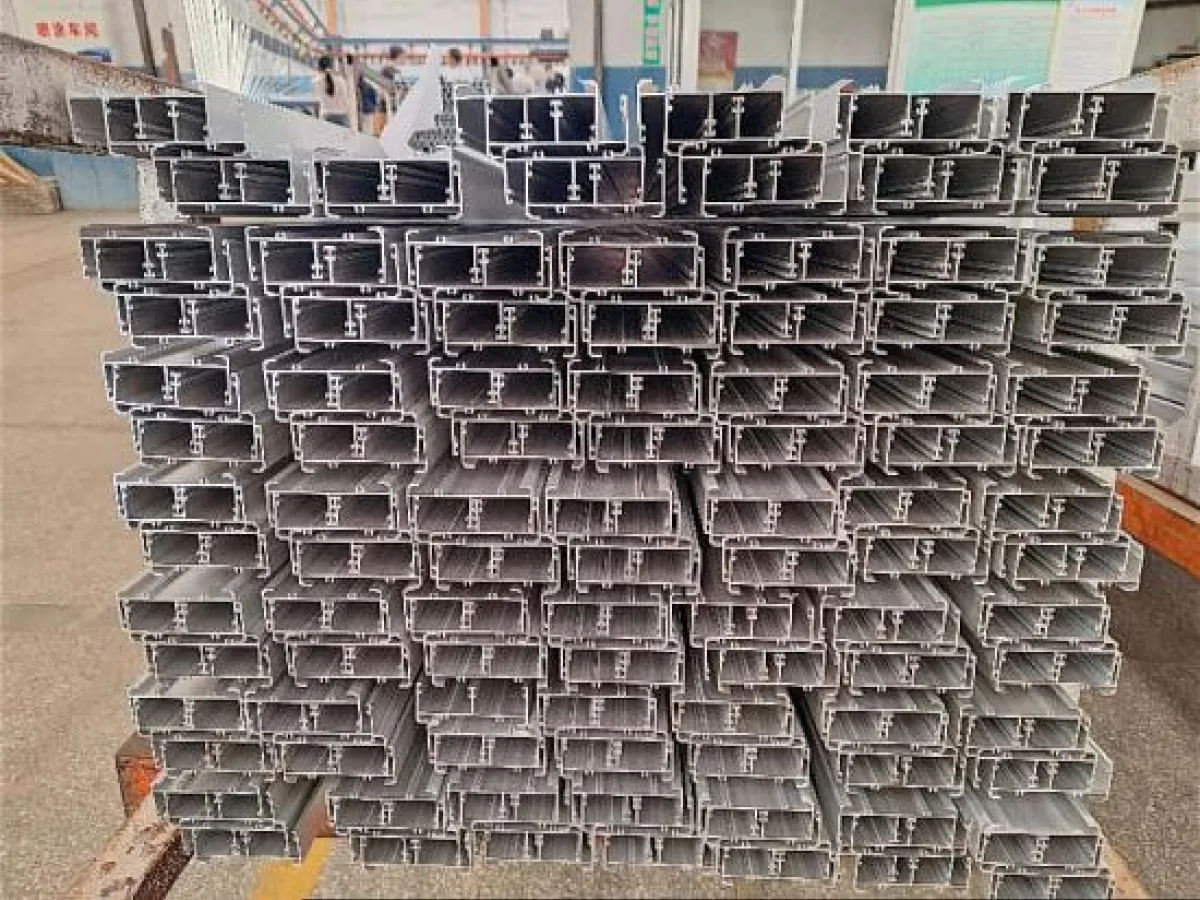
Unlike fully customized solutions, standard aluminum products provide efficient production and faster delivery advantages. They are widely used in machinery frames, equipment struc
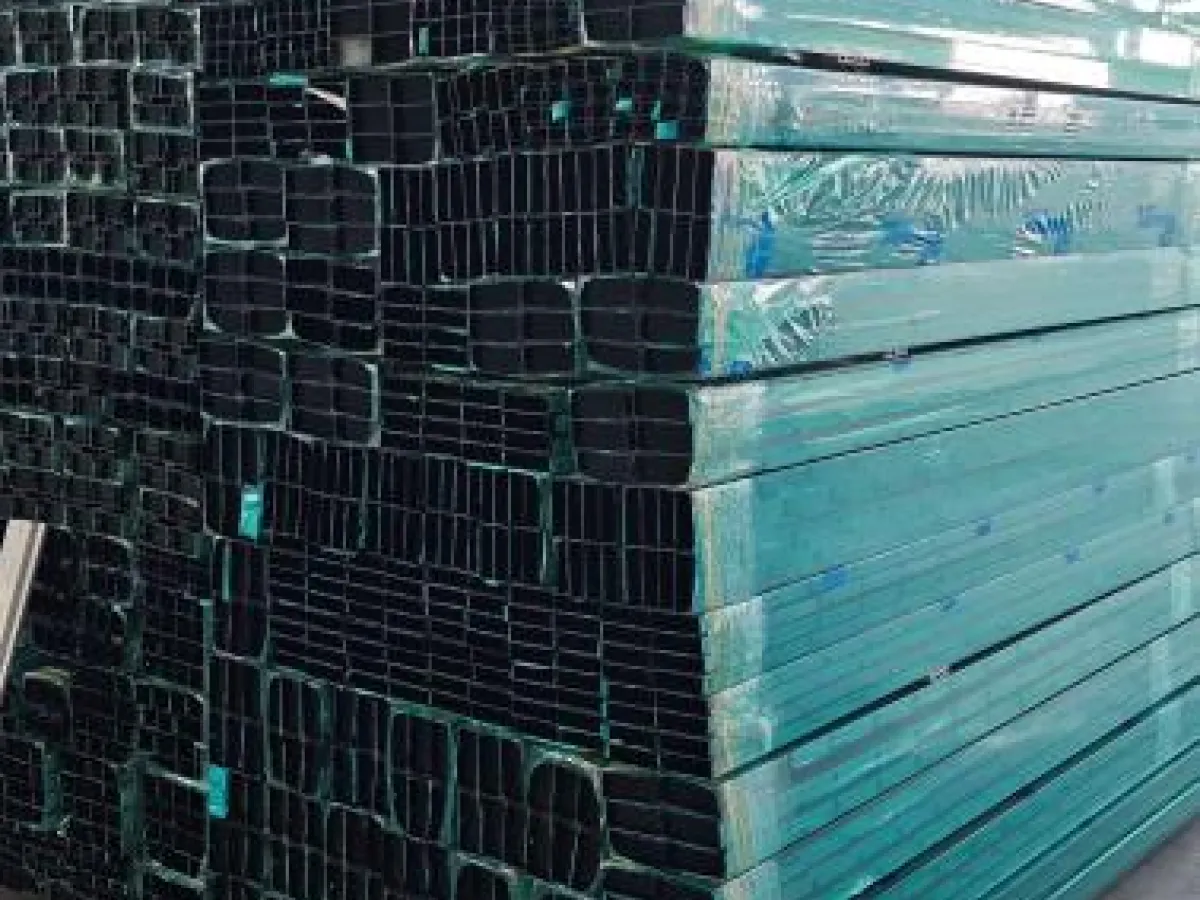
A well-designed Aluminium Facade System needs to combine architectural aesthetics with structural performance, weather resistance, durability, and long-term maintenance requirement
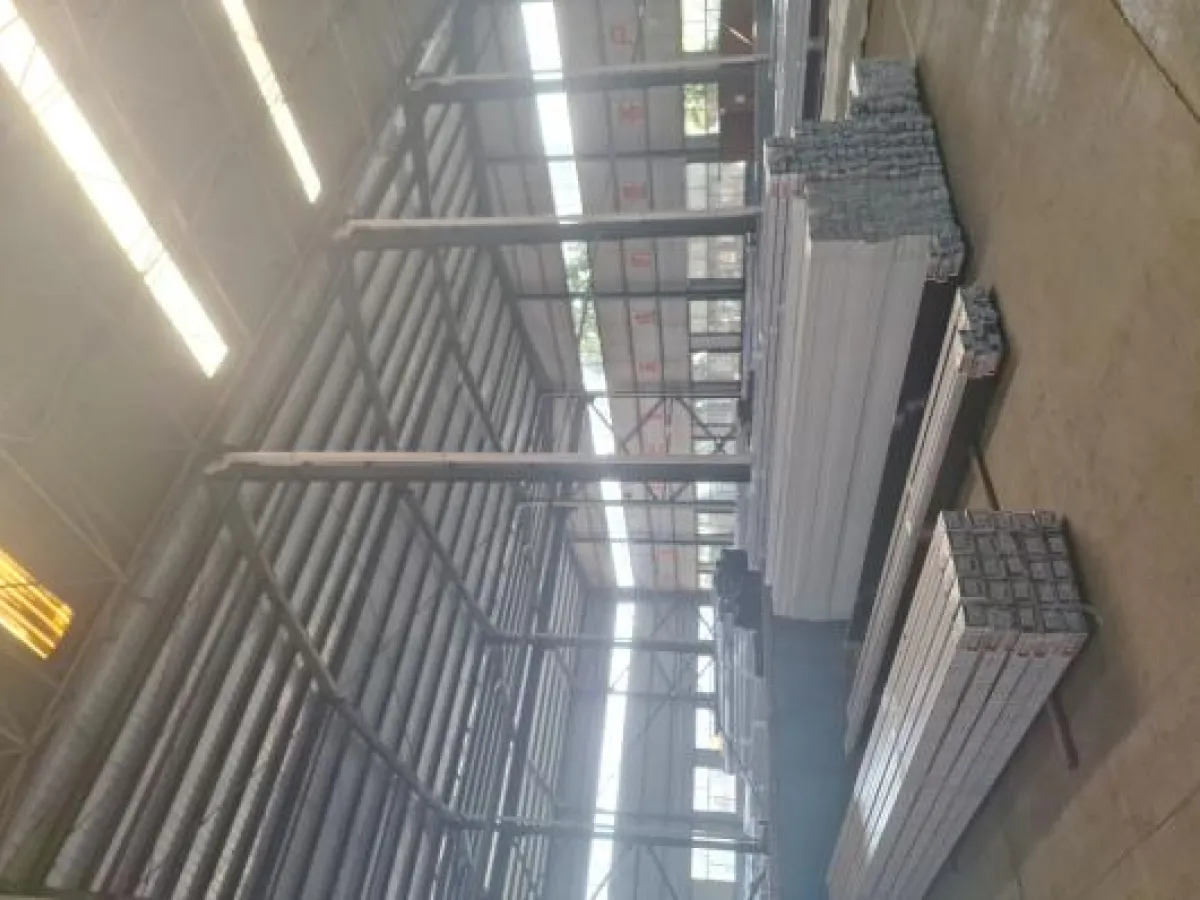
For this reason, selecting suitable Aluminium Curtain Wall Profiles has become an important step in façade engineering. The right profile design can influence installation efficien
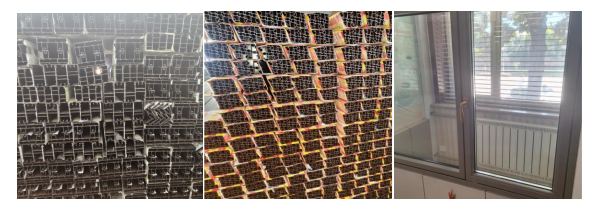
When selecting aluminium window profiles, many buyers focus on price, appearance, or delivery time. However, the real difference between a good and poor-quality profile often appears after installation.
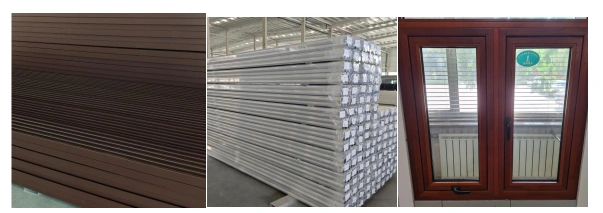
With the development of modern architecture, windows are required to provide not only attractive appearance but also better insulation, security, and long-term durability. In many residential and commercial projects, Casement Window Profiles have become a popular solution because they offer excellent sealing performance, flexible design options, and reliable structural strength.
No 1066,Donghuan Road,Linqu County,Shandong Province,China
 KANGDI


Copyright © 2025 by Shandong Kangdi Aluminum Industry Co., Ltd. All Rights Reserved