Effective water management is critical in modern construction, particularly in urban environments where heavy rainfall and stormwater accumulation can cause structural damage and safety hazards. One essential solution is the proper design of drainage channels, which ensures efficient water flow and reduces risks of flooding.
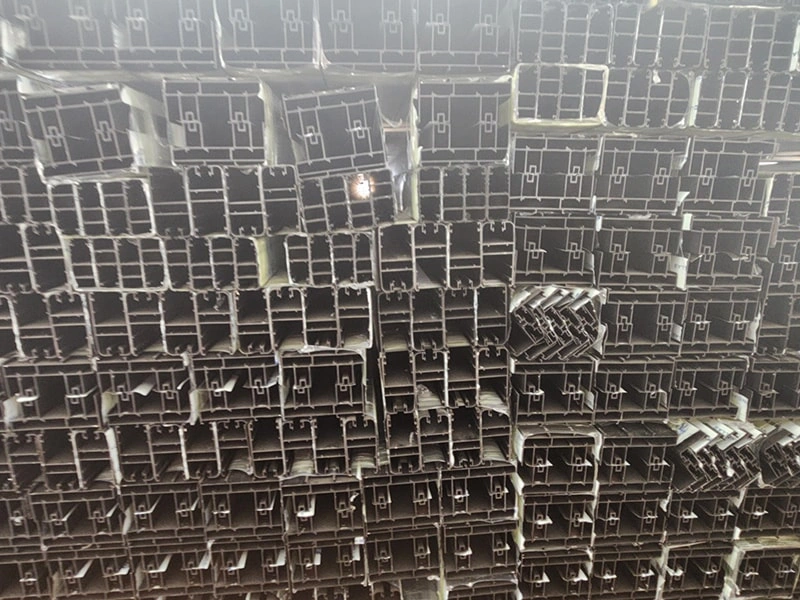
Why Aluminum Profiles for Drainage Channels?
Aluminum has become a preferred material for drainage systems due to its unique combination of properties:
1. Lightweight and Durable
Aluminum profiles are significantly lighter than traditional steel or concrete, making installation easier and reducing structural load. Despite their light weight, aluminum is highly durable and resistant to corrosion, ensuring long-term performance even in wet environments.
2. Corrosion Resistance
Surface treatments such as anodizing, powder coating, or electrophoresis coating enhance aluminum's natural resistance to moisture, salt, and chemical exposure. This is crucial for drainage channels exposed to rainwater, runoff, or industrial environments.
3. Customizable Designs
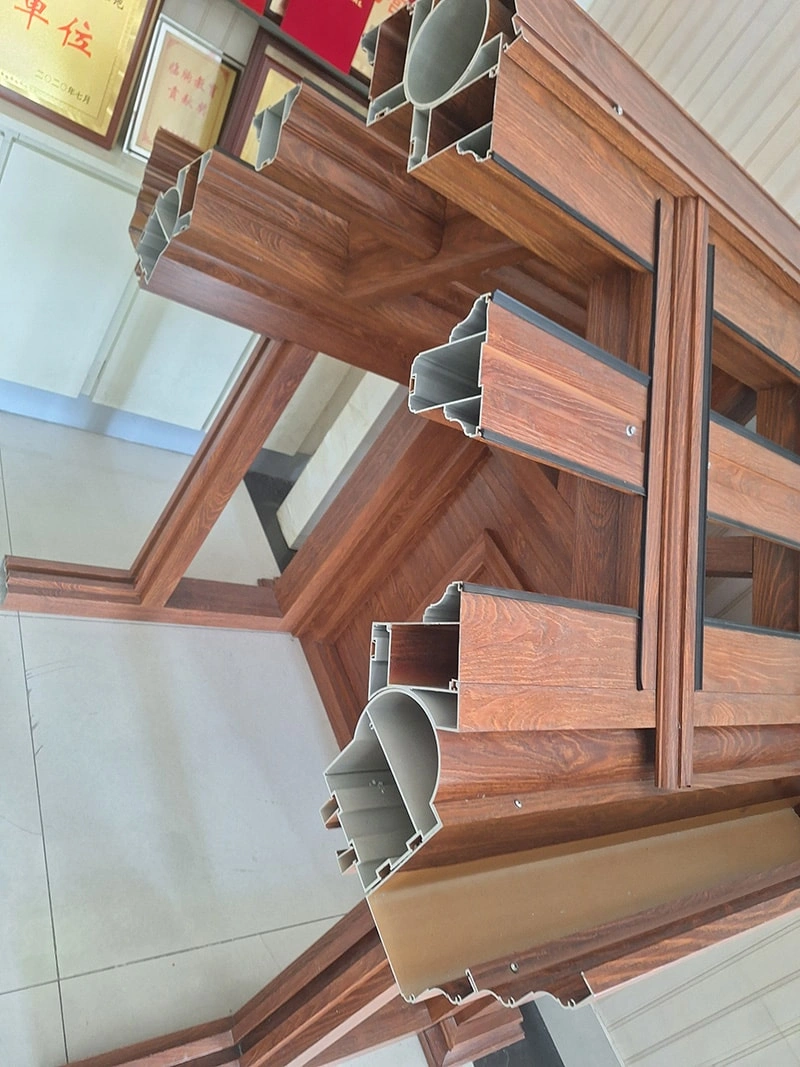
Aluminum extrusion allows for highly customized profile shapes and sizes, tailored to specific water management needs. Channels can be designed for optimal flow rates, easy maintenance, and integration with surrounding infrastructure.
4. Sustainability
Aluminum is 100% recyclable without loss of quality. Using aluminum profiles for drainage systems contributes to sustainable building practices and reduces environmental impact.
Key Considerations in Drainage Channel Design
When designing drainage channels using aluminum profiles, engineers and architects should consider the following:
• Flow Capacity: Channels should be sized to handle peak rainfall without overflow. Computational fluid dynamics (CFD) simulations can optimize channel dimensions.
• Slope and Gradient: Proper slope ensures water flows naturally towards collection or discharge points, preventing stagnation.
• Accessibility for Cleaning: Removable grates or modular profiles allow for easy maintenance and debris removal.
• Integration with Infrastructure: Channels should align with sidewalks, roads, or building perimeters without compromising aesthetics or safety.
Applications
Aluminum drainage channels are widely used in:
• Urban Streets and Highways: Effective stormwater management and pedestrian safety.
• Industrial Facilities: Resistant to chemical exposure and heavy loads.
• Residential Projects: Sleek and modern appearance for patios, driveways, and landscaping.
• Public Spaces: Parks, sports arenas, and open plazas benefit from lightweight, durable drainage solutions.
Conclusion
Incorporating aluminum profiles into drainage channel design offers a balance of durability, lightweight handling, corrosion resistance, and aesthetic flexibility. By choosing aluminum, designers and builders can ensure efficient water management while creating sustainable, long-lasting infrastructure solutions.
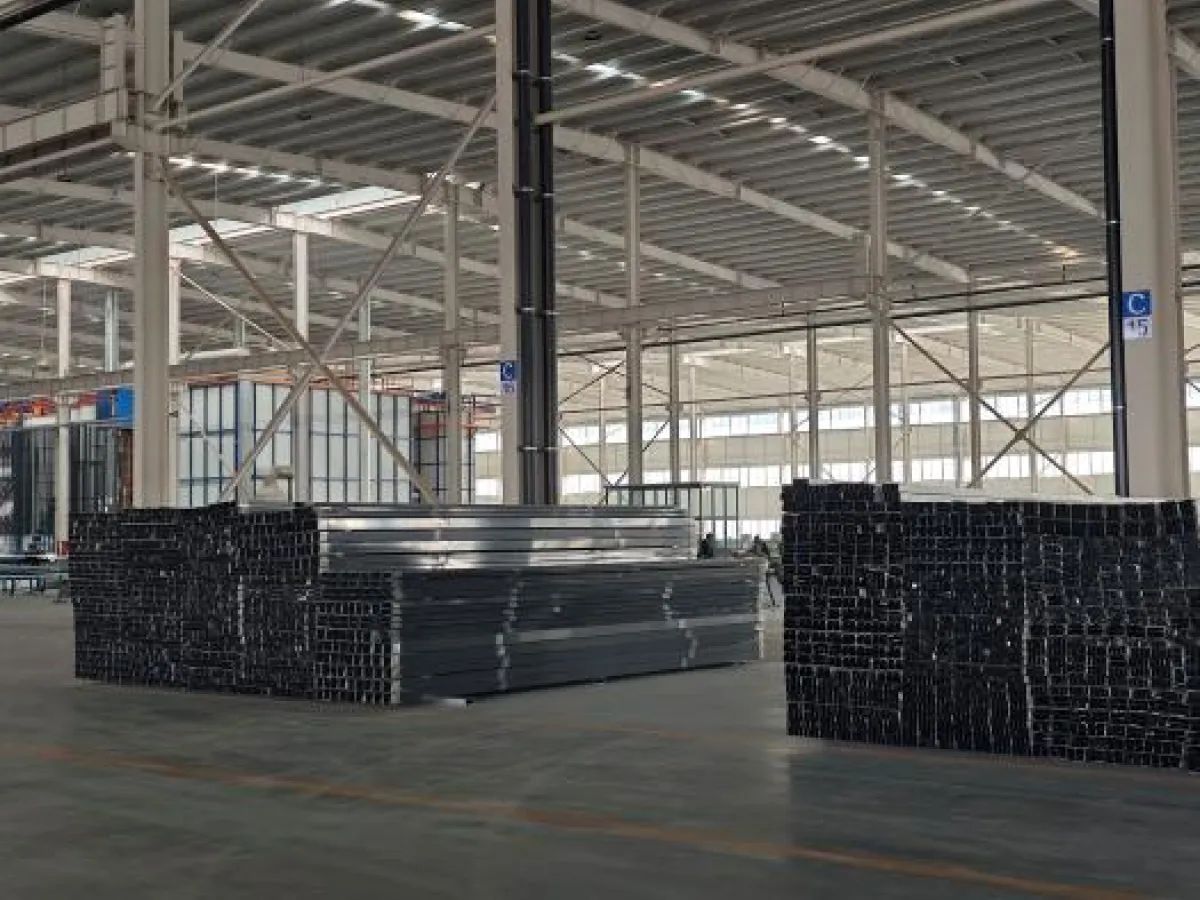
Energy efficiency has become an important consideration in modern construction. Architects, builders, and window manufacturers are looking for materials that can provide better ins
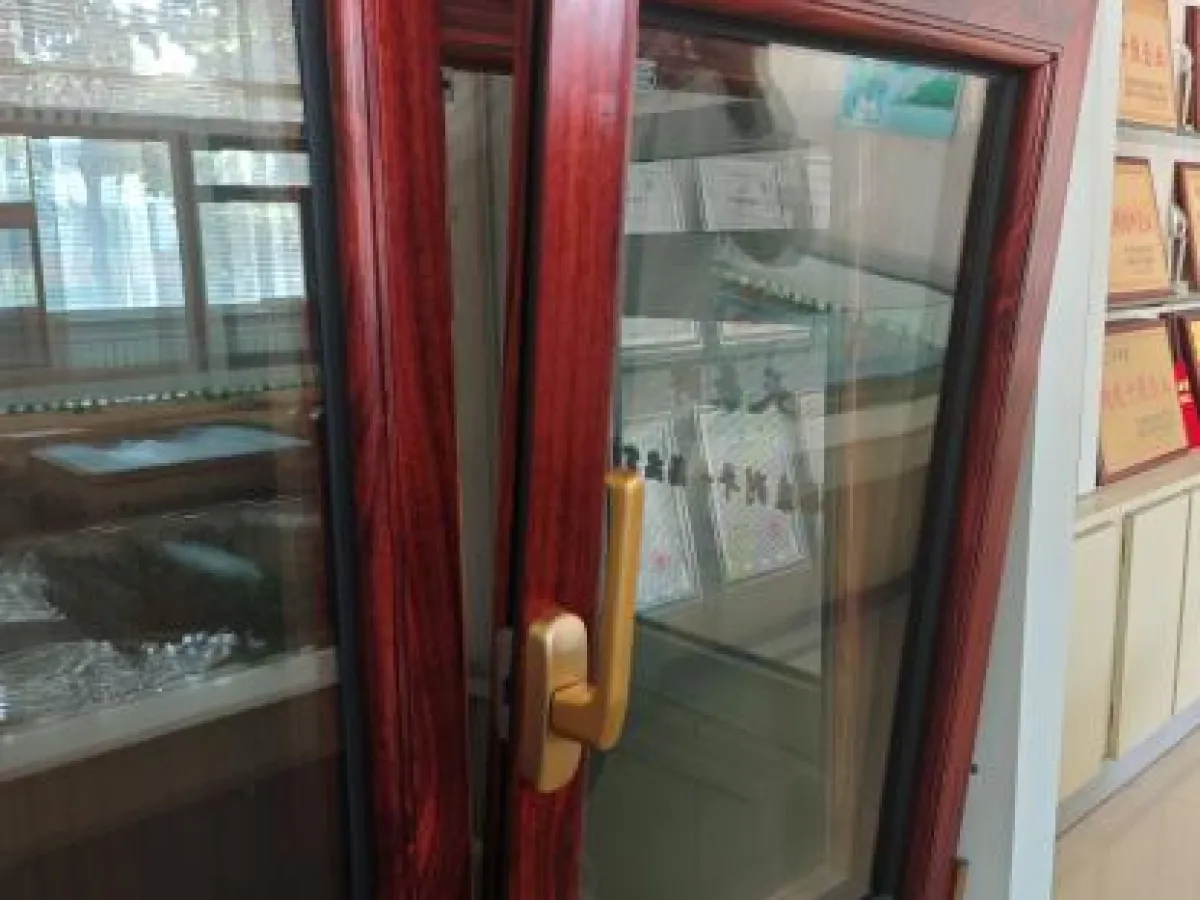
Different applications require different profile designs and performance standards. For example, aluminium profiles used for doors and windows may focus more on dimensional accurac
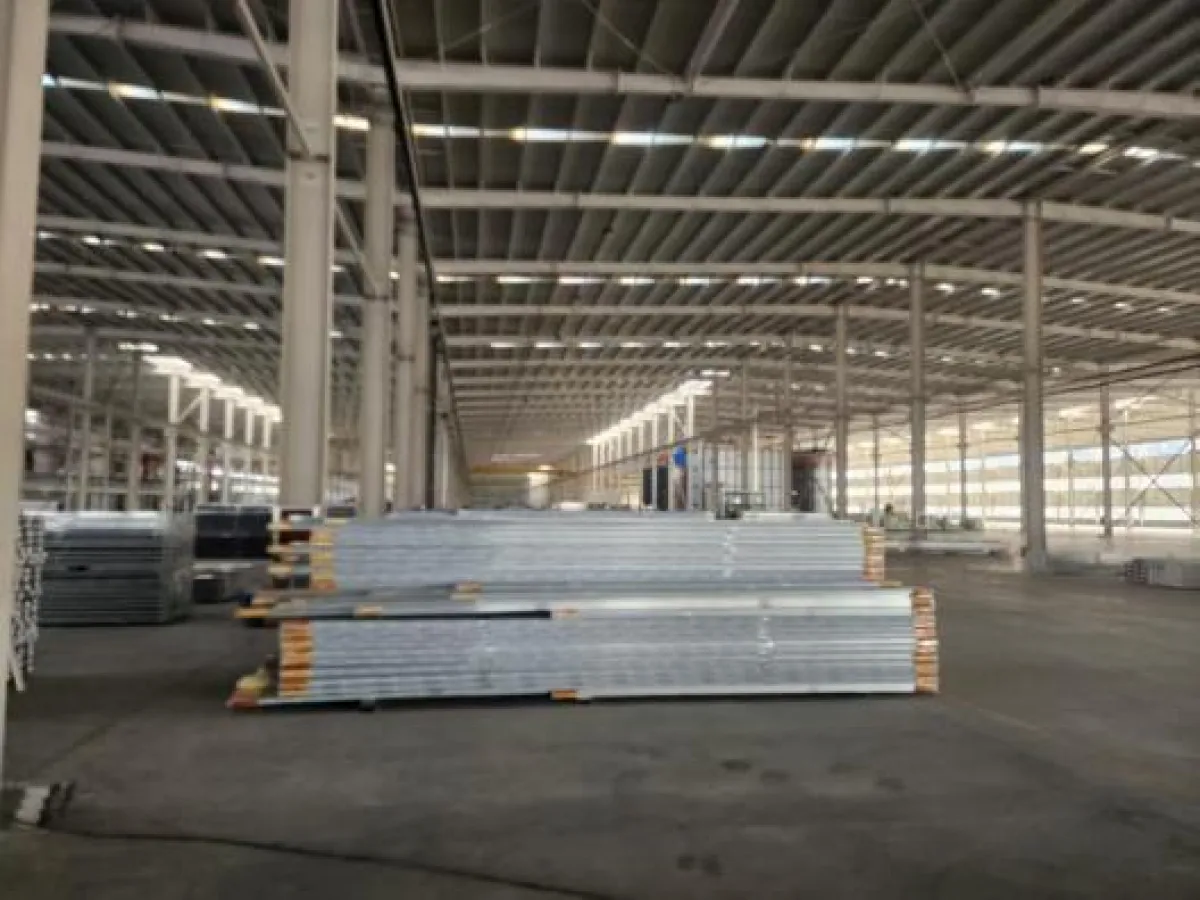
Whether the application is construction, industrial equipment, transportation, or customized projects, the quality and reliability of the supplier directly affect the final product
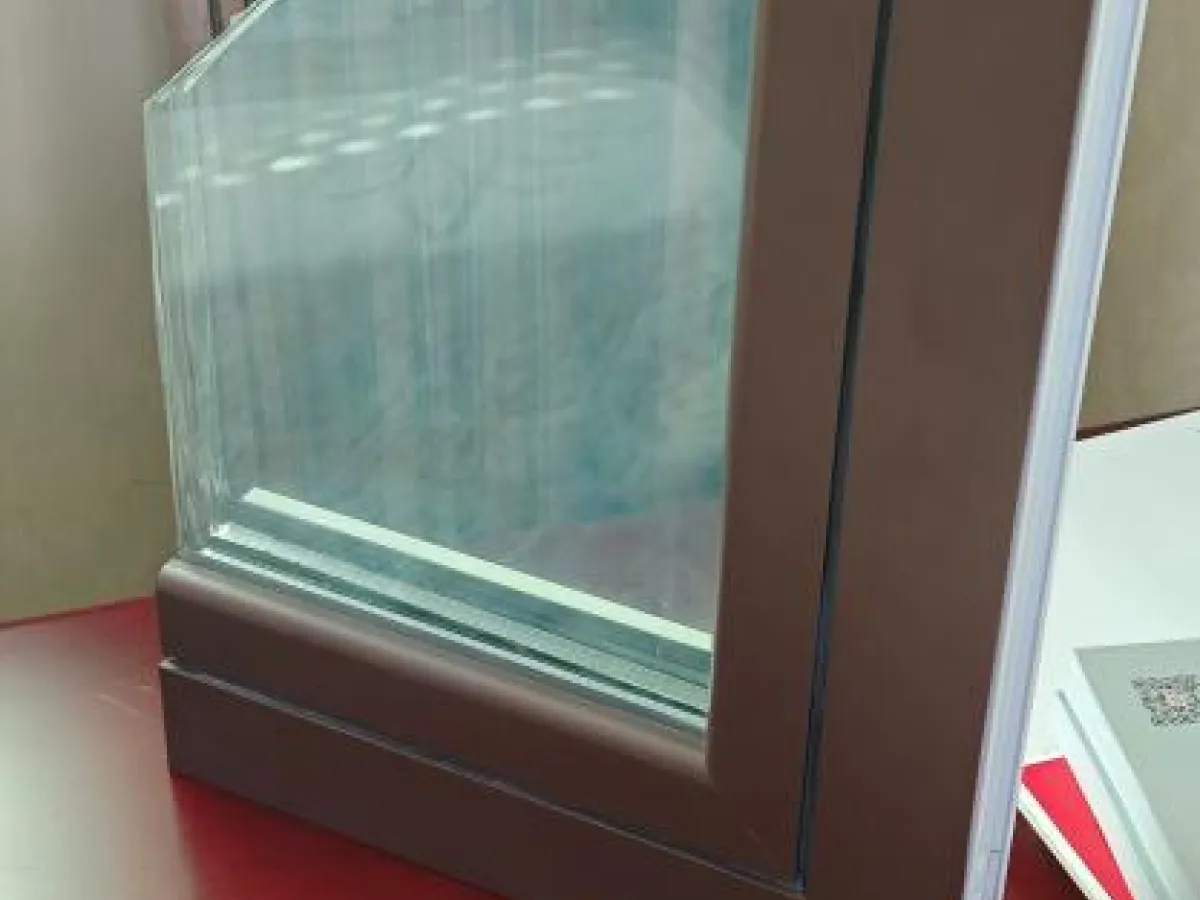
Among these elements, Energy Efficient Aluminium Windows are gaining increasing attention because they combine modern aesthetics, structural strength, and improved thermal performa
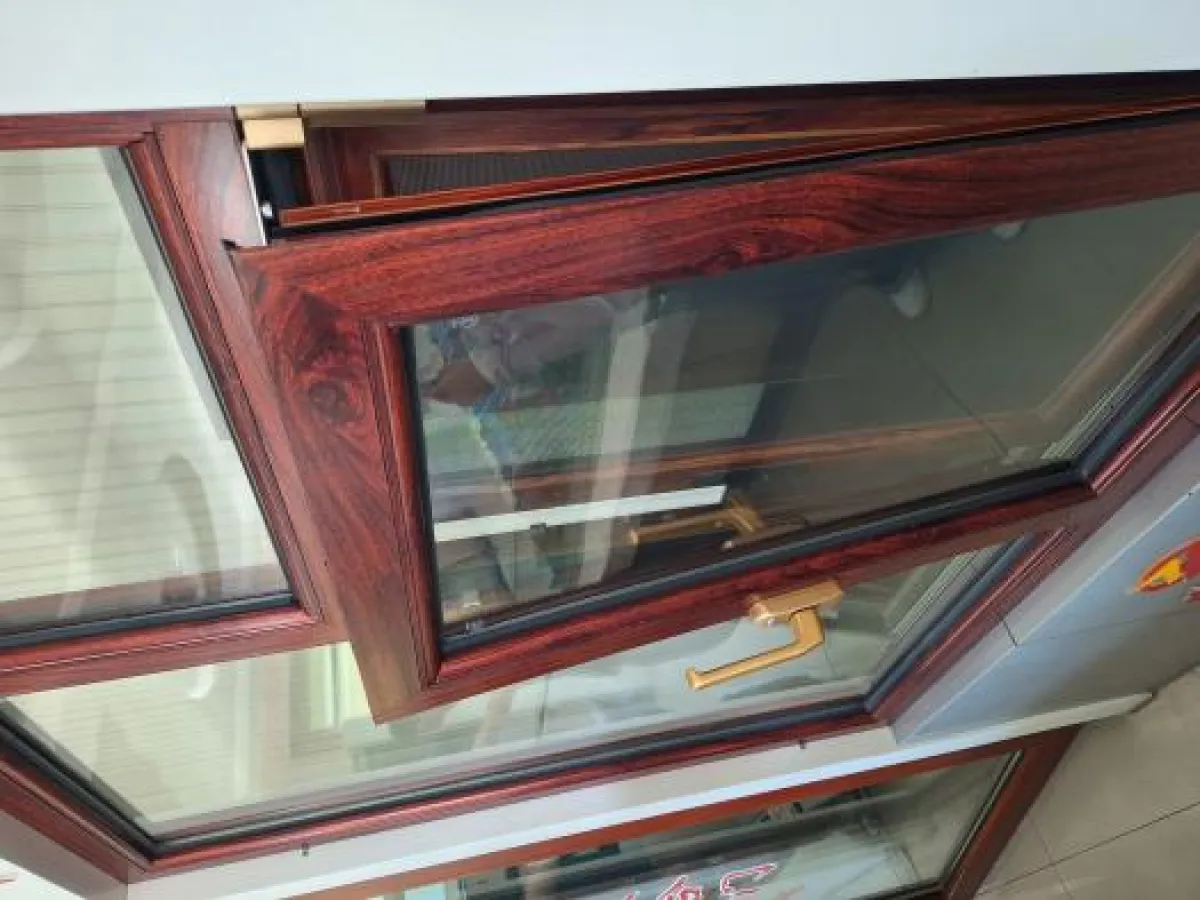
Today, Thermal Break Aluminium Windows are becoming a preferred solution for residential, commercial, and high-performance building projects because they provide a better balance b
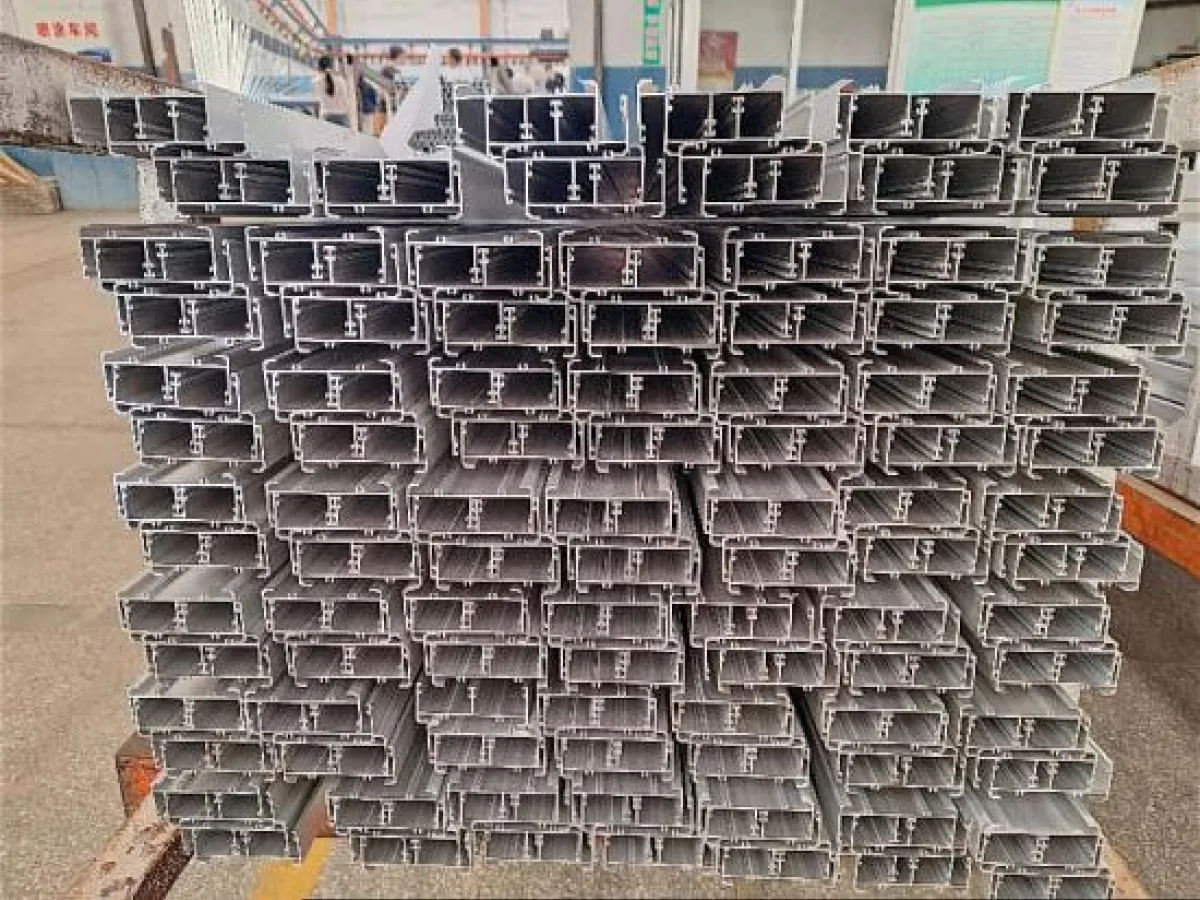
Unlike fully customized solutions, standard aluminum products provide efficient production and faster delivery advantages. They are widely used in machinery frames, equipment struc
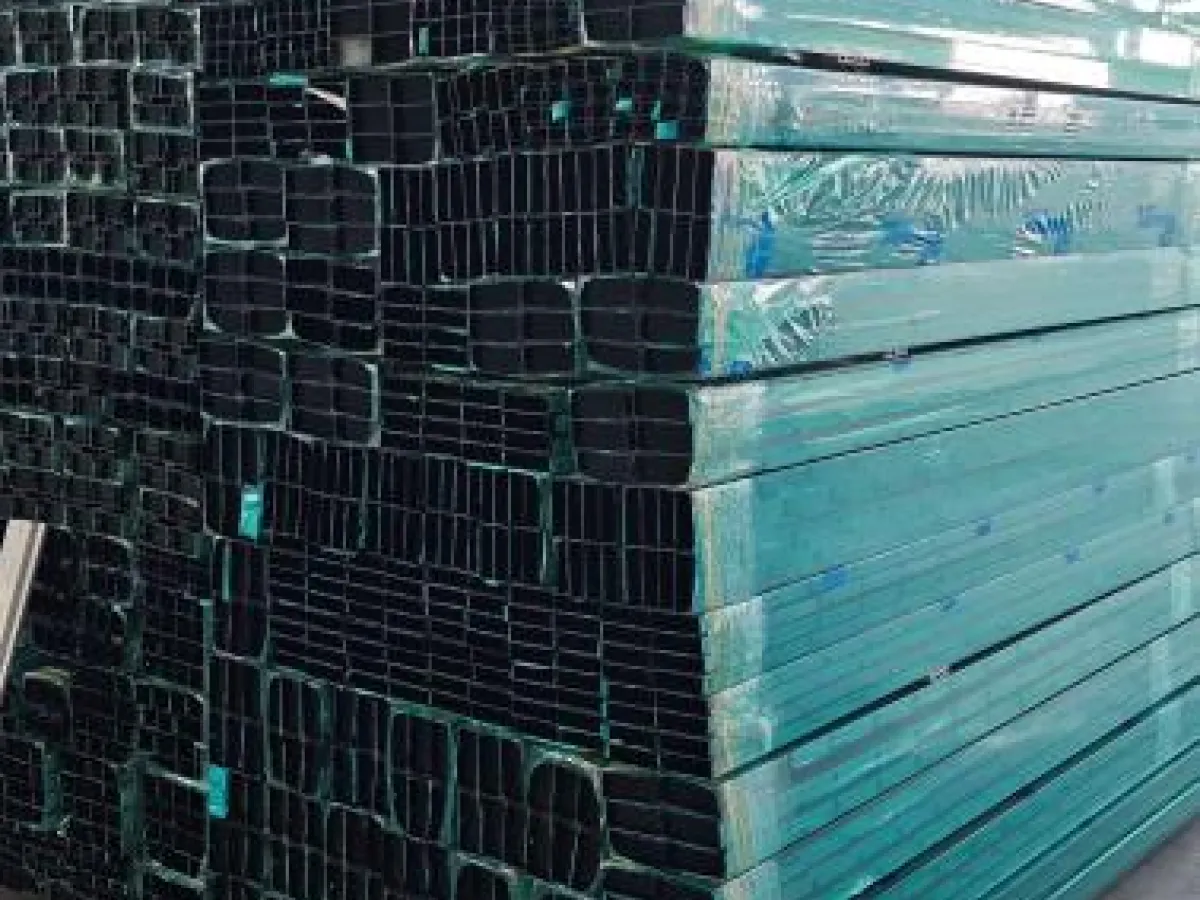
A well-designed Aluminium Facade System needs to combine architectural aesthetics with structural performance, weather resistance, durability, and long-term maintenance requirement
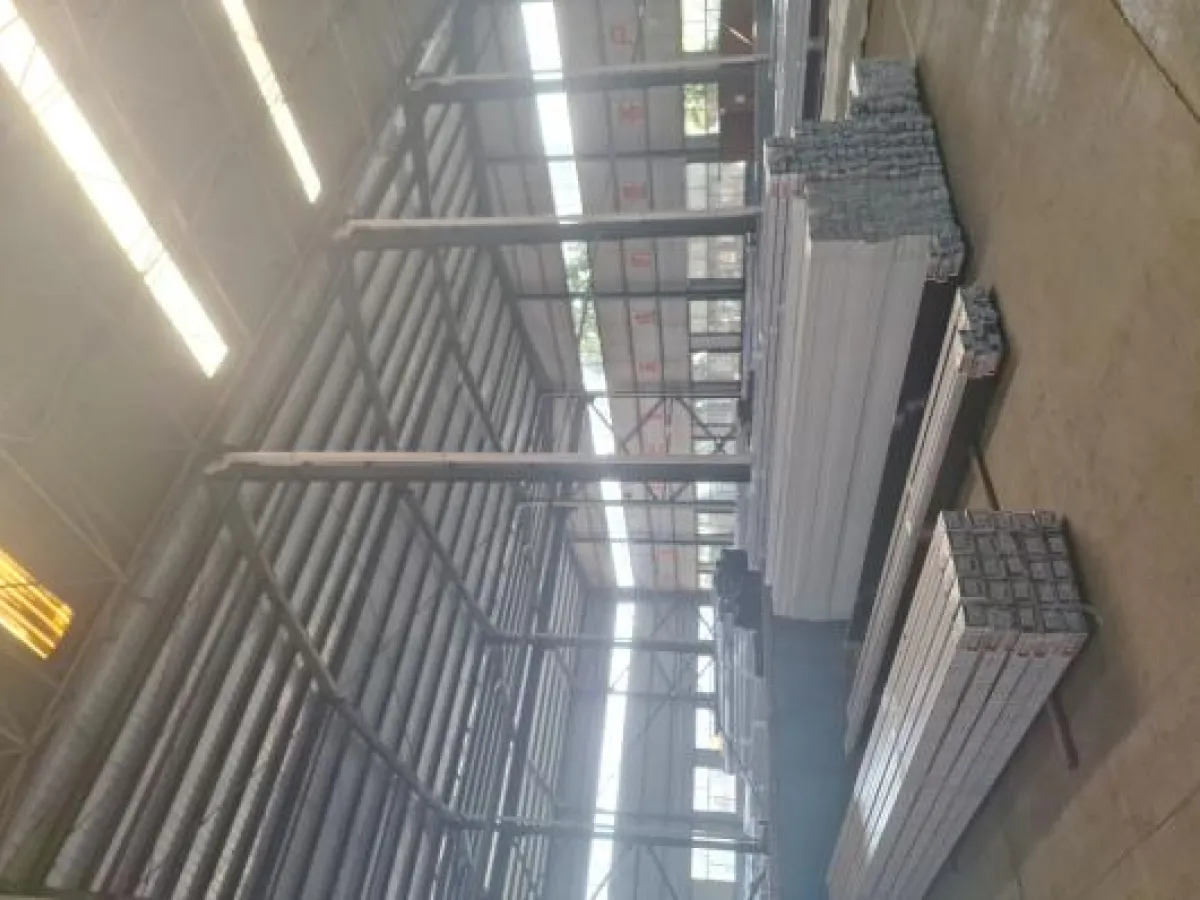
For this reason, selecting suitable Aluminium Curtain Wall Profiles has become an important step in façade engineering. The right profile design can influence installation efficien
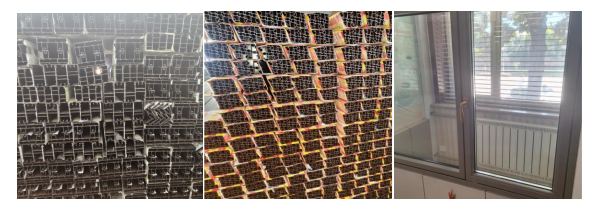
When selecting aluminium window profiles, many buyers focus on price, appearance, or delivery time. However, the real difference between a good and poor-quality profile often appears after installation.
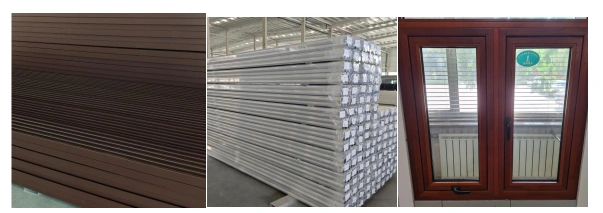
With the development of modern architecture, windows are required to provide not only attractive appearance but also better insulation, security, and long-term durability. In many residential and commercial projects, Casement Window Profiles have become a popular solution because they offer excellent sealing performance, flexible design options, and reliable structural strength.
No 1066,Donghuan Road,Linqu County,Shandong Province,China
 KANGDI


Copyright © 2025 by Shandong Kangdi Aluminum Industry Co., Ltd. All Rights Reserved