Although aluminum profiles are widely used in both residential and commercial buildings, their design logic, performance focus, and application requirements are fundamentally different. Choosing the right type of aluminum profile is critical to long-term performance, safety, and cost control.
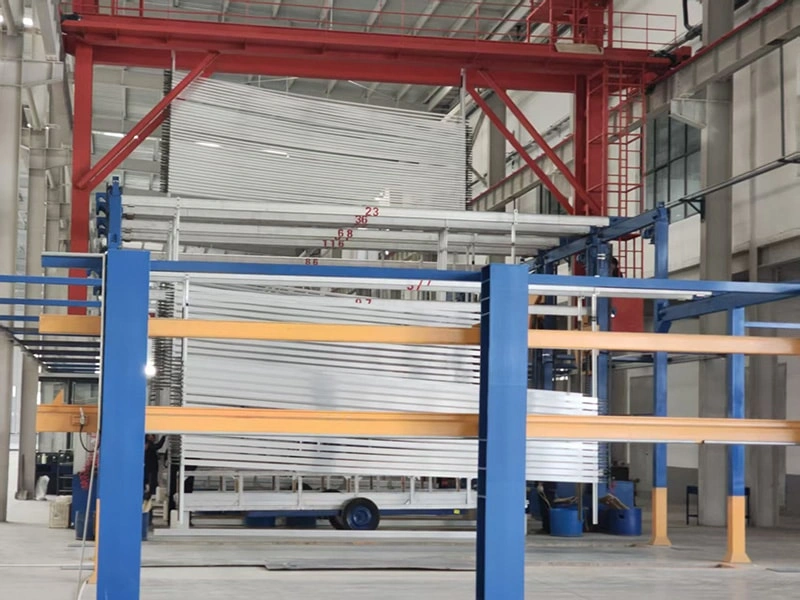
Different Design Priorities
Residential aluminum profiles are mainly designed to improve living comfort and visual appearance. Slim sightlines, smooth surface finishes, and compatibility with interior styles are key considerations. Thermal insulation and sound reduction also play an important role, as residential windows and doors are closely related to daily use and energy efficiency.
In contrast, commercial aluminum profiles prioritize structural strength and system stability. Large openings, heavy glass panels, and façade uniformity require profiles with stronger geometry and higher load-bearing capacity. Visual design is important, but it must always serve structural and safety requirements.
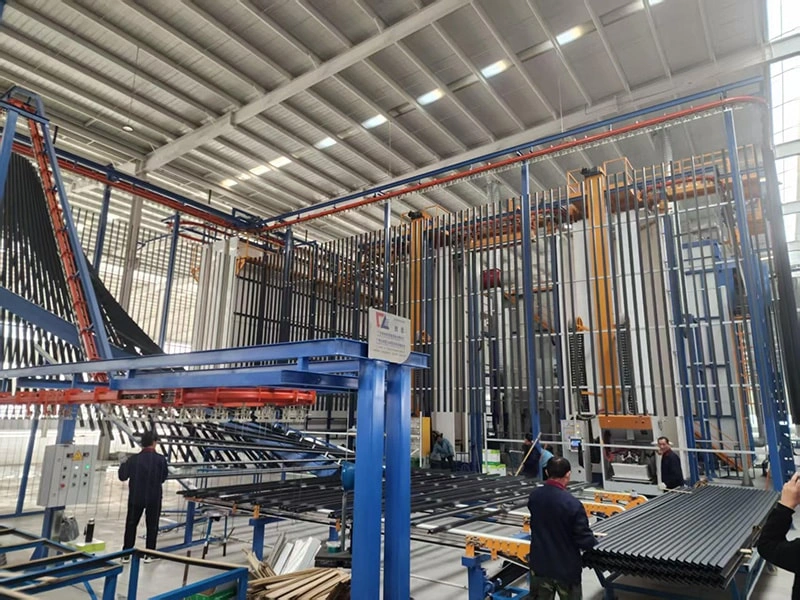
Structural and Performance Requirements
Residential projects usually involve:
• Smaller window and door sizes
• Lower wind pressure requirements
• Greater emphasis on thermal break efficiency
Commercial projects typically require:
• Larger spans and thicker profiles
• Higher resistance to wind load and deformation
• Reinforced sections for hardware and glass support
In commercial buildings, aluminum profiles are part of the building envelope system and must perform reliably over long service periods.
Thermal Performance Considerations
Thermal insulation is especially critical in residential applications, where indoor comfort and energy consumption are key concerns. Residential profiles often adopt multi-chamber thermal break designs to balance insulation performance and cost.
Commercial buildings may also use thermal-break systems, but structural safety and façade performance often take priority, particularly in high-rise or large-scale projects.
Standards and Testing Focus
Residential aluminum profiles are commonly evaluated based on:
• Air tightness
• Water tightness
• Thermal performance
• Daily operational durability
Commercial aluminum profiles focus more on:
• Wind load resistance
• Structural deflection control
• System compatibility with curtain wall or façade designs
• Long-term weather resistance
Even when using the same aluminum alloy, profile design standards can differ significantly between residential and commercial applications.
Conclusion
Residential and commercial aluminum profiles are not interchangeable products. Each serves a different purpose and must be designed according to the specific building type, usage environment, and performance expectations.
A well-designed aluminum profile is not just about extrusion—it is about understanding how the profile will perform throughout the building’s entire lifecycle.
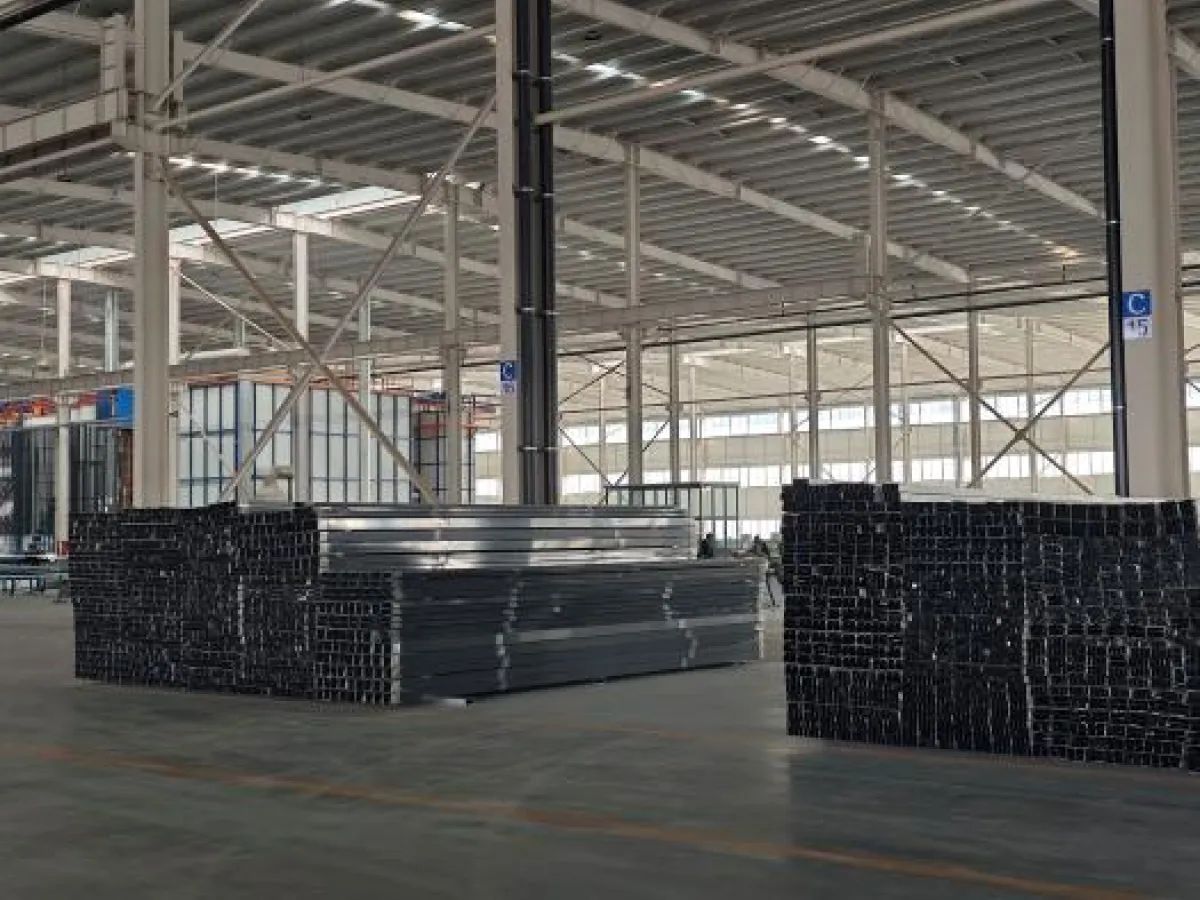
Energy efficiency has become an important consideration in modern construction. Architects, builders, and window manufacturers are looking for materials that can provide better ins
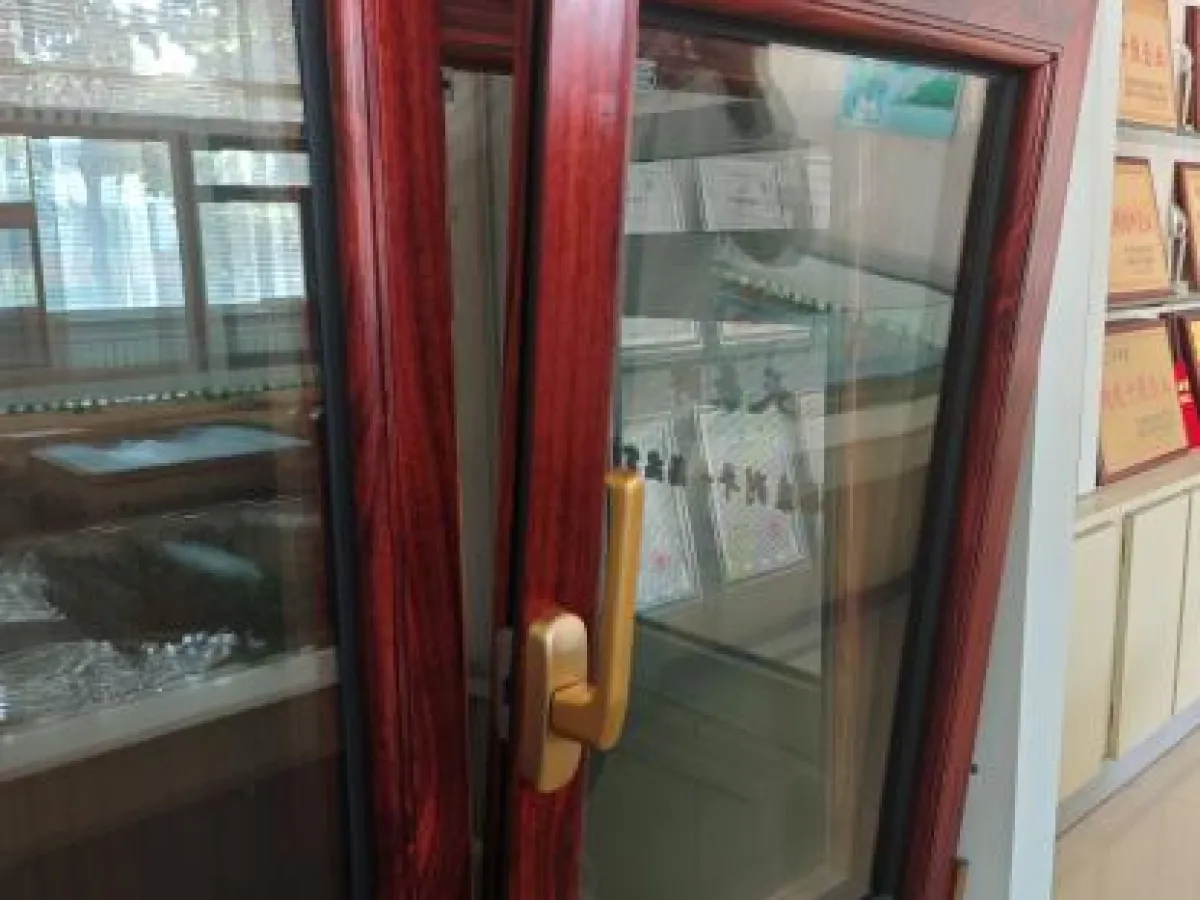
Different applications require different profile designs and performance standards. For example, aluminium profiles used for doors and windows may focus more on dimensional accurac
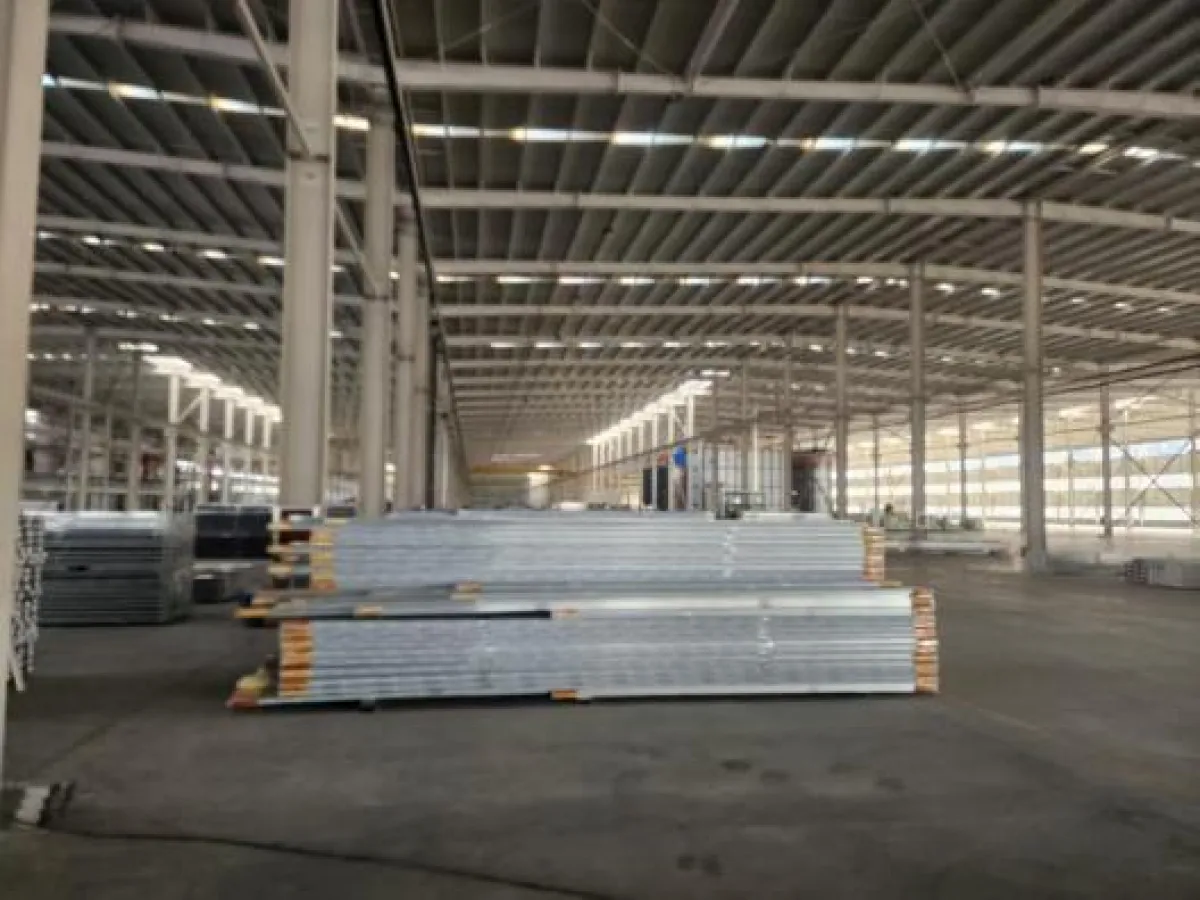
Whether the application is construction, industrial equipment, transportation, or customized projects, the quality and reliability of the supplier directly affect the final product
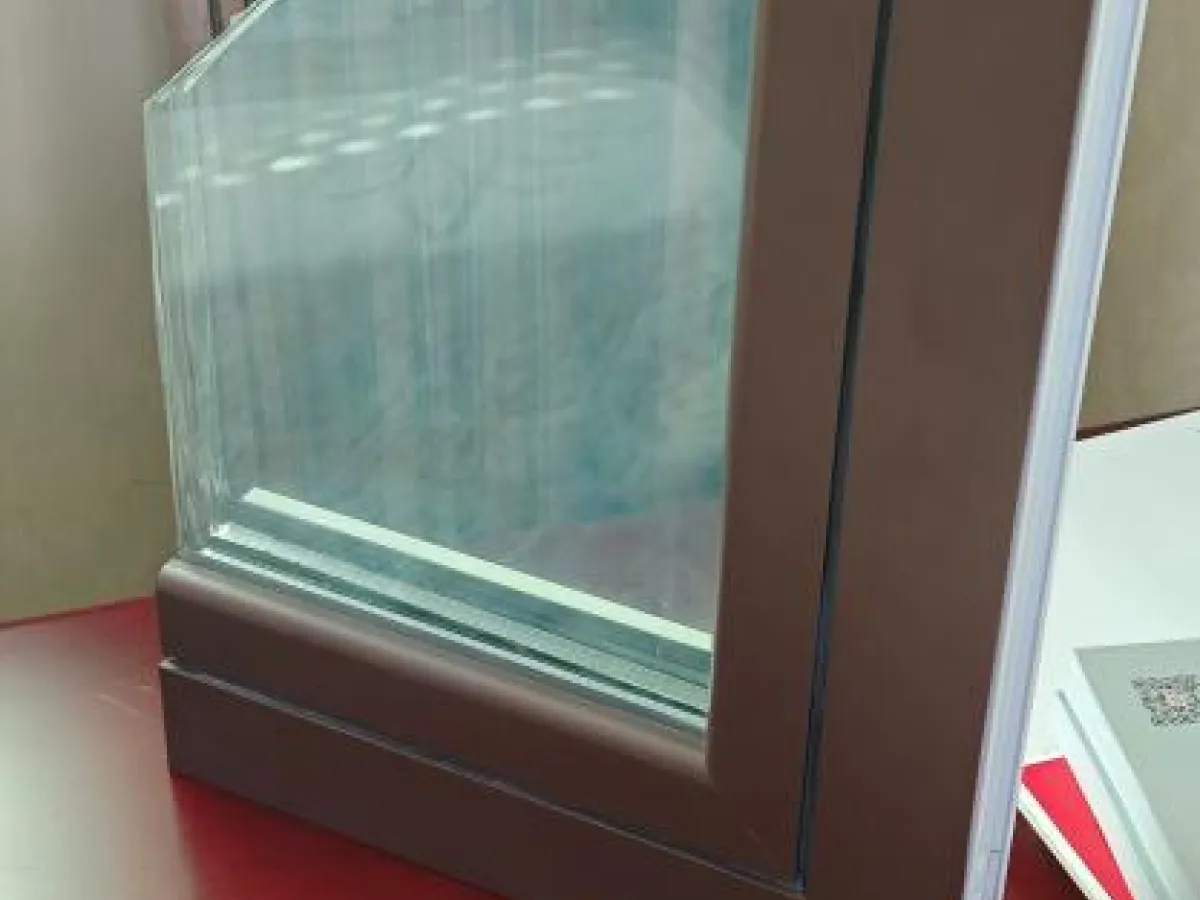
Among these elements, Energy Efficient Aluminium Windows are gaining increasing attention because they combine modern aesthetics, structural strength, and improved thermal performa
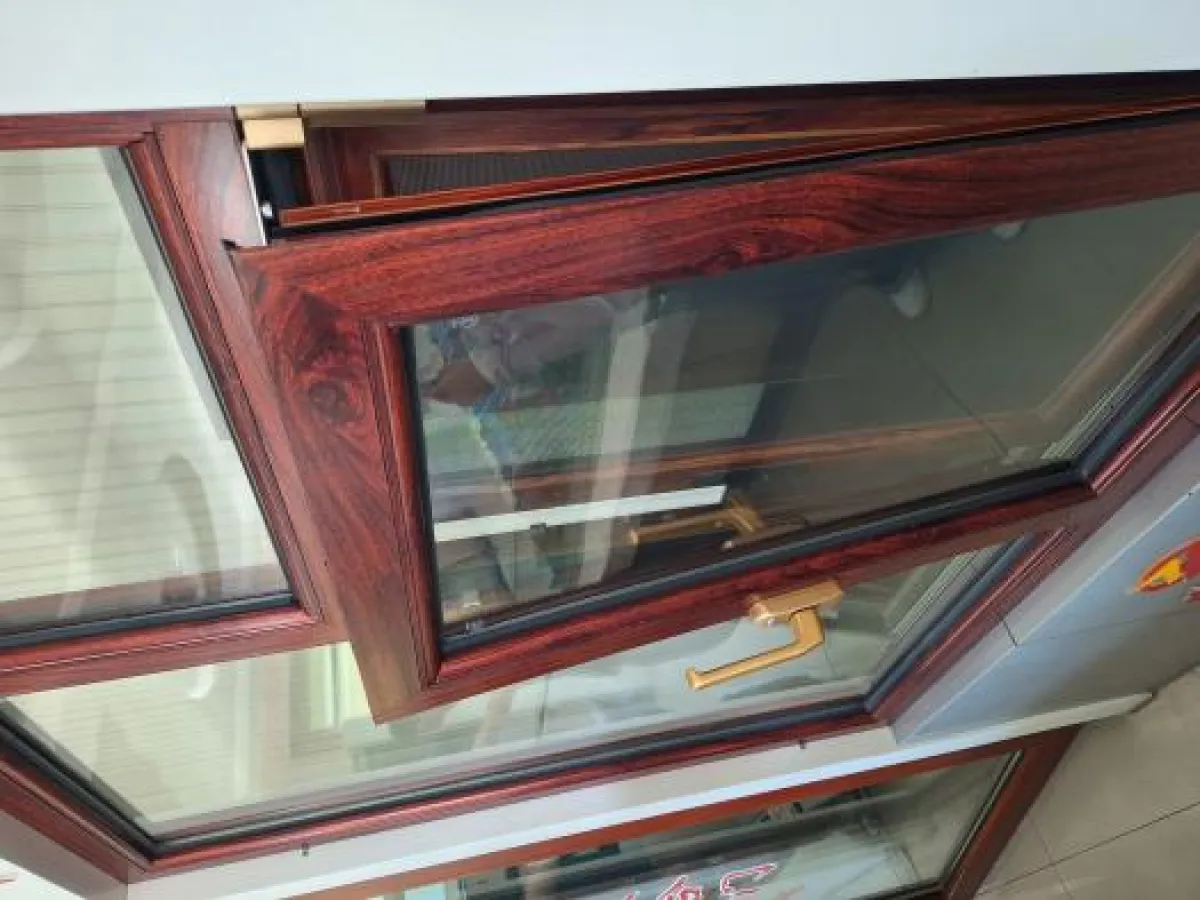
Today, Thermal Break Aluminium Windows are becoming a preferred solution for residential, commercial, and high-performance building projects because they provide a better balance b
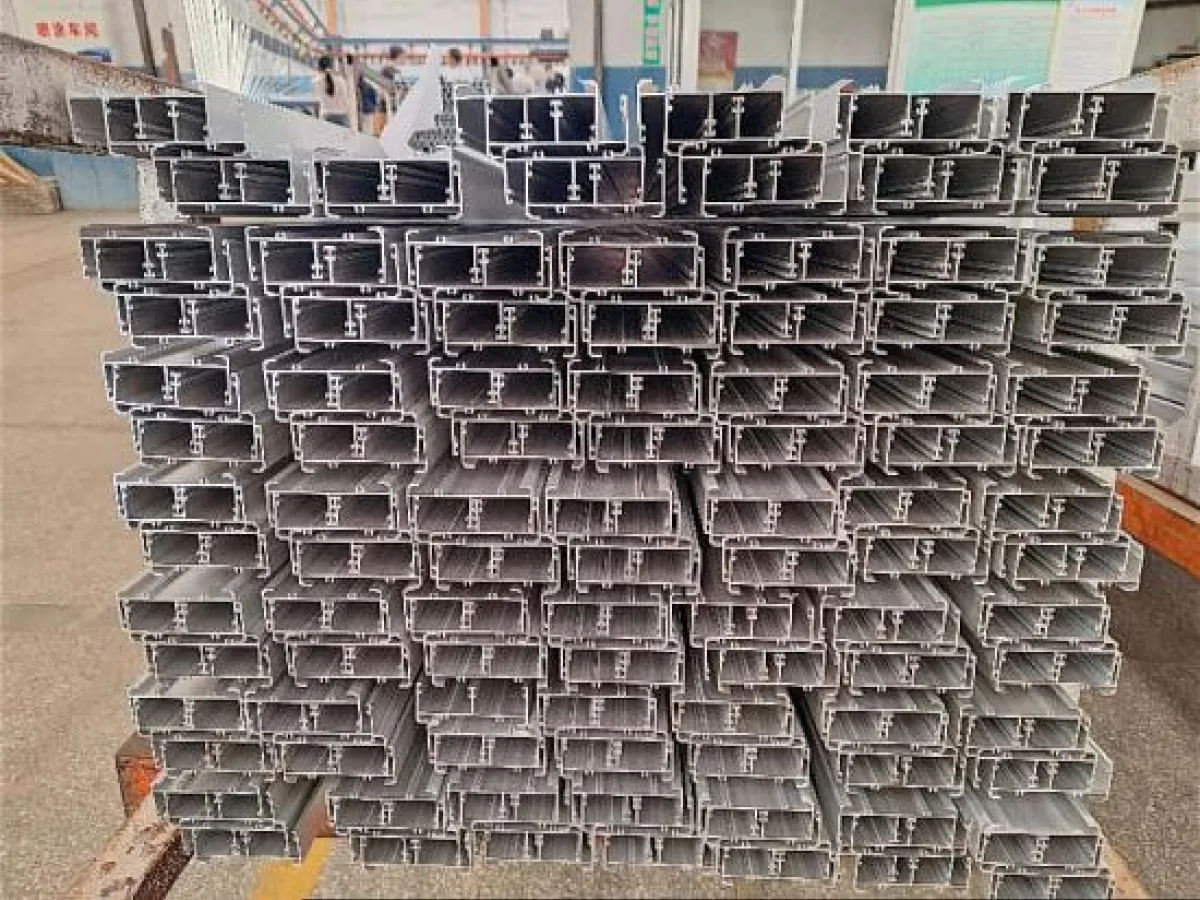
Unlike fully customized solutions, standard aluminum products provide efficient production and faster delivery advantages. They are widely used in machinery frames, equipment struc
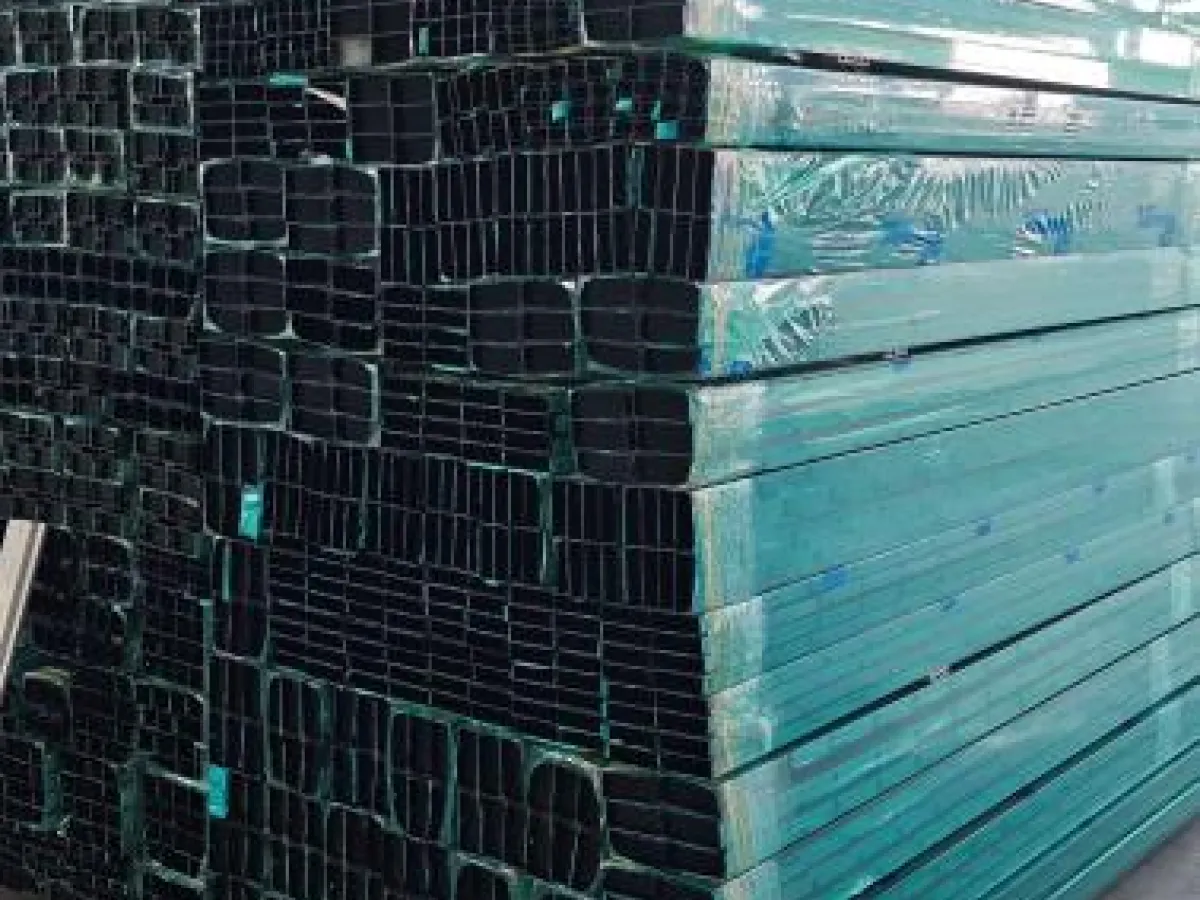
A well-designed Aluminium Facade System needs to combine architectural aesthetics with structural performance, weather resistance, durability, and long-term maintenance requirement
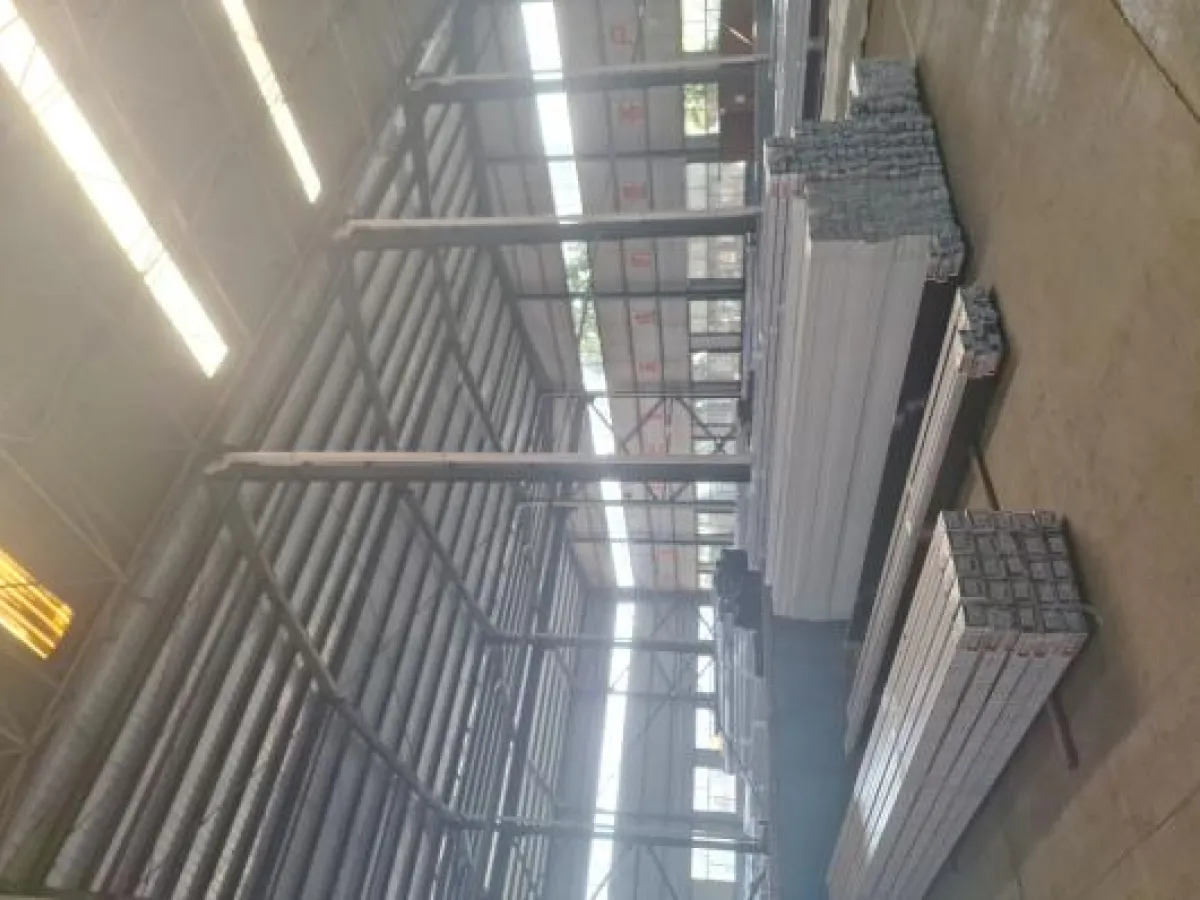
For this reason, selecting suitable Aluminium Curtain Wall Profiles has become an important step in façade engineering. The right profile design can influence installation efficien
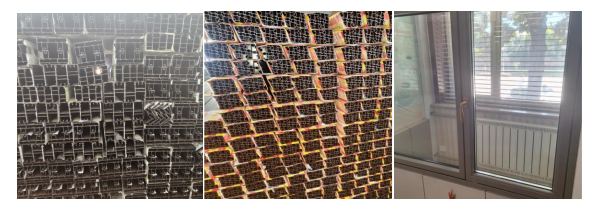
When selecting aluminium window profiles, many buyers focus on price, appearance, or delivery time. However, the real difference between a good and poor-quality profile often appears after installation.
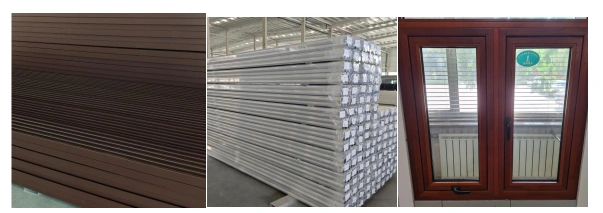
With the development of modern architecture, windows are required to provide not only attractive appearance but also better insulation, security, and long-term durability. In many residential and commercial projects, Casement Window Profiles have become a popular solution because they offer excellent sealing performance, flexible design options, and reliable structural strength.
No 1066,Donghuan Road,Linqu County,Shandong Province,China
 KANGDI


Copyright © 2025 by Shandong Kangdi Aluminum Industry Co., Ltd. All Rights Reserved