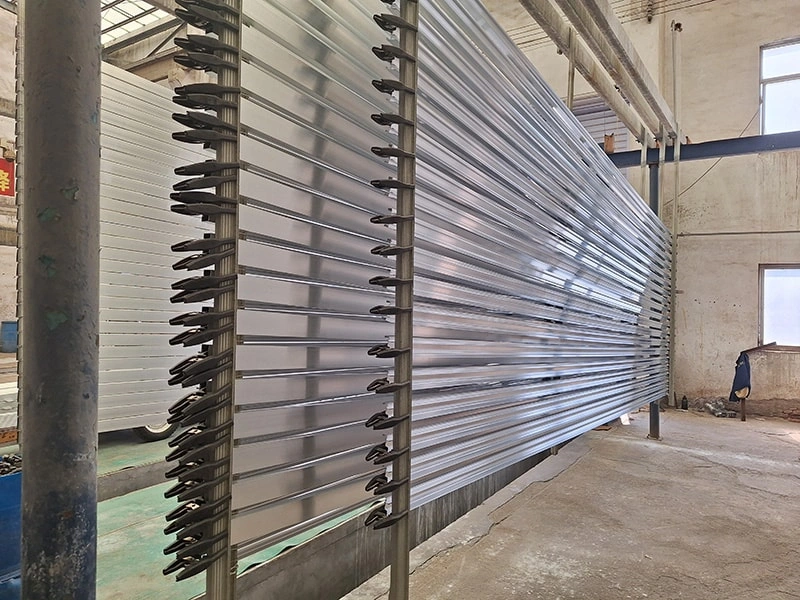
Aluminum profiles may appear standardized, but in door, window, and façade systems, extrusion quality plays a critical role.
From an upstream supply chain perspective, stable extrusion processes directly influence fabrication efficiency, installation performance, and overall project reliability.
What Customers Really Care About
For manufacturers and project teams, decisions are rarely based on price alone.
Key concerns usually include:
• Batch-to-batch consistency
• Dimensional accuracy and straightness
• Stable surface finishing quality
• Predictable delivery schedules
These factors affect system performance and project coordination.
Consistency Comes From Process Control
Extrusion stability is not achieved through final inspection alone.
It is the result of controlled and repeatable production processes, including:
• Billet selection and preparation
• Extrusion parameter control
• Proper aging for mechanical stability
• Consistent surface treatment procedures
Each step contributes to predictable profile behavior during fabrication and installation.
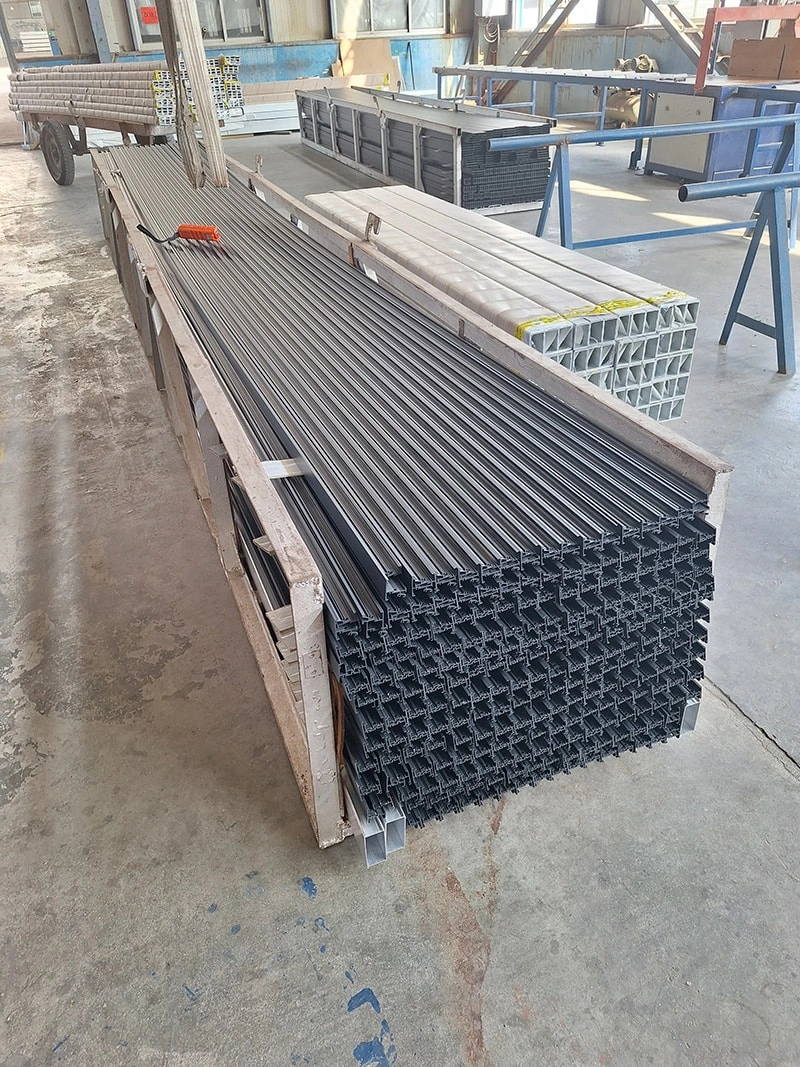
Reducing Downstream Risk
From the customer’s perspective, instability creates risk.
Minor deviations in profile geometry or surface quality can lead to installation difficulties, rework, and schedule delays.
Stable upstream production helps minimize these issues and supports smoother project execution.
Supporting Project Schedules
Many aluminum profile issues are identified on site rather than in the factory.
At that stage, corrective actions are costly and disruptive.
Consistent extrusion quality helps ensure:
• Efficient fabrication
• Accurate system compatibility
• Reliable on-site installation
A Long-Term View
Aluminum extrusion is not only about equipment or capacity.
It depends on experience, process discipline, and long-term operational stability.
For customers, reliable extrusion means confidence — confidence that profiles will perform consistently across projects and over time.
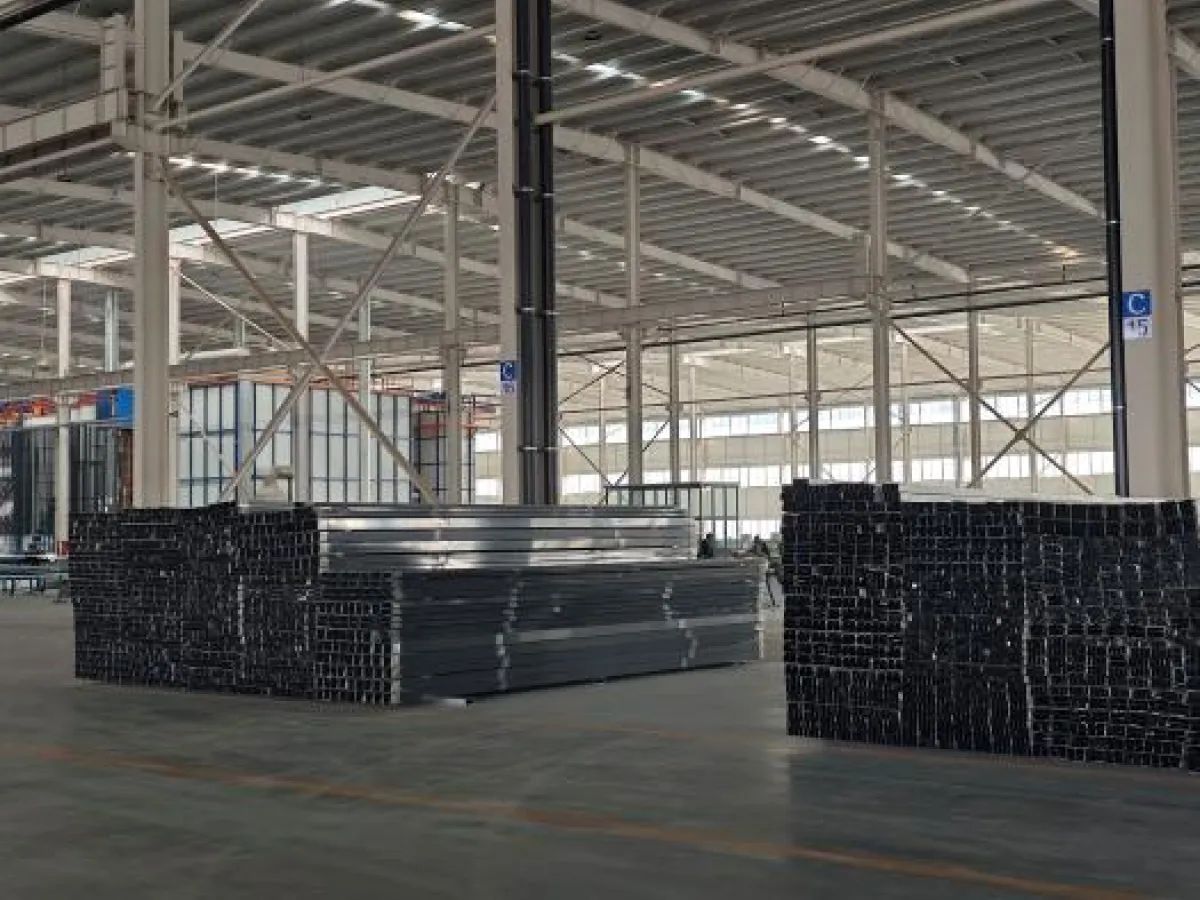
Energy efficiency has become an important consideration in modern construction. Architects, builders, and window manufacturers are looking for materials that can provide better ins
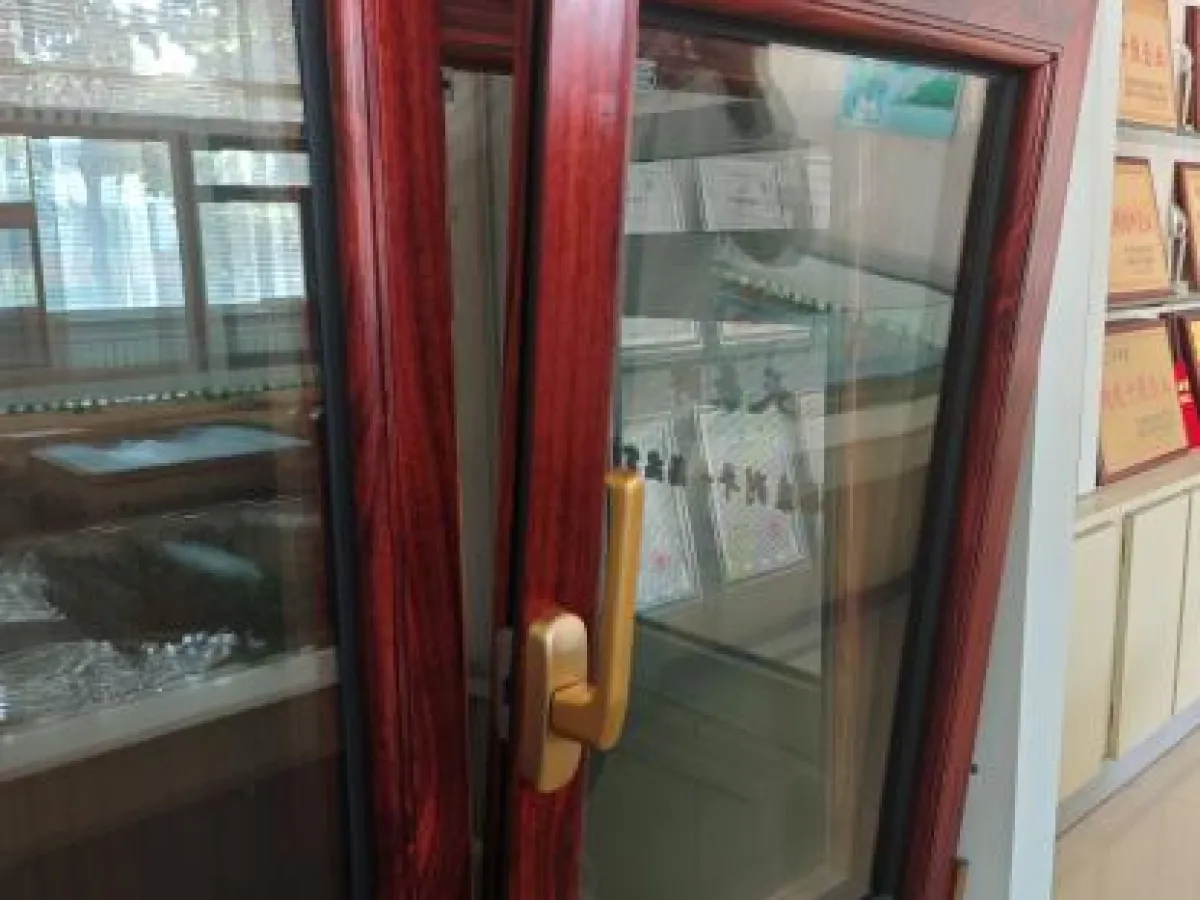
Different applications require different profile designs and performance standards. For example, aluminium profiles used for doors and windows may focus more on dimensional accurac
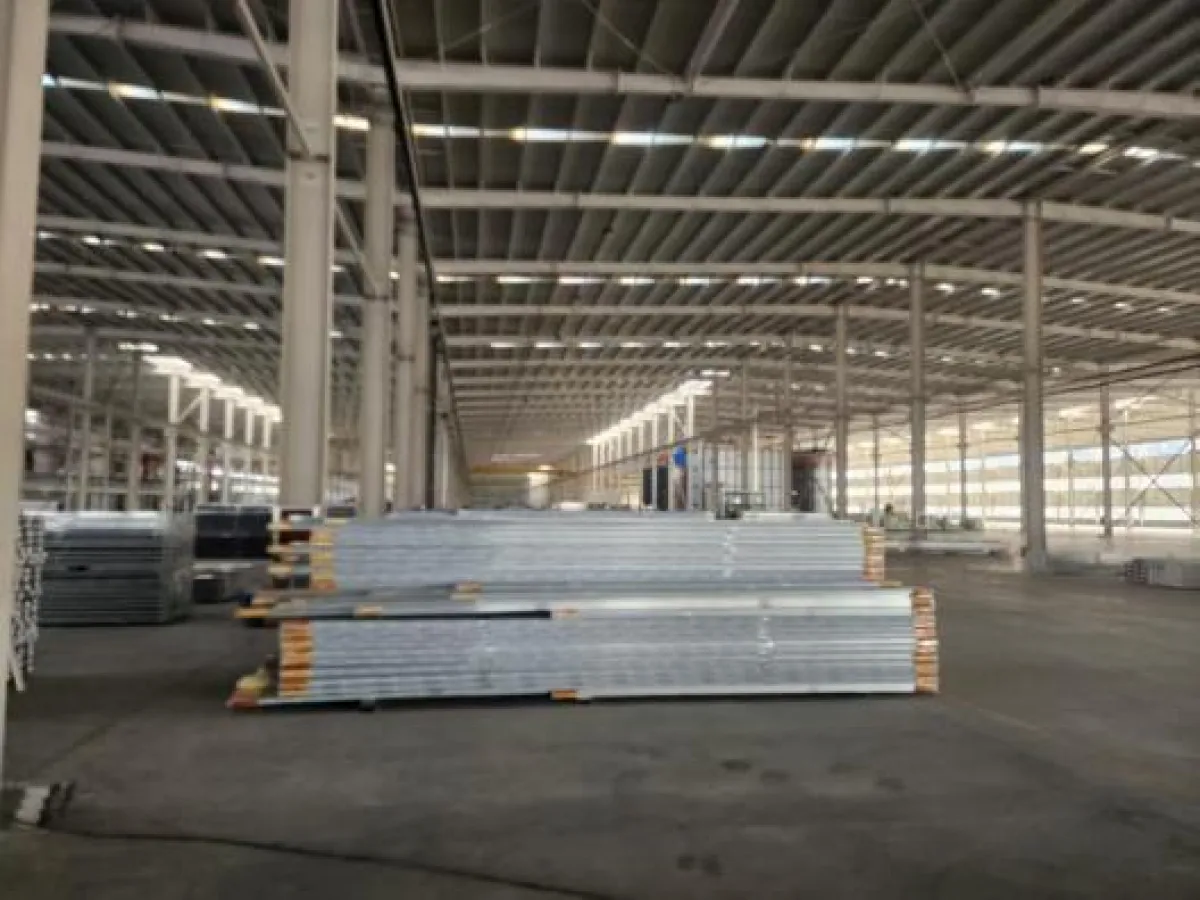
Whether the application is construction, industrial equipment, transportation, or customized projects, the quality and reliability of the supplier directly affect the final product
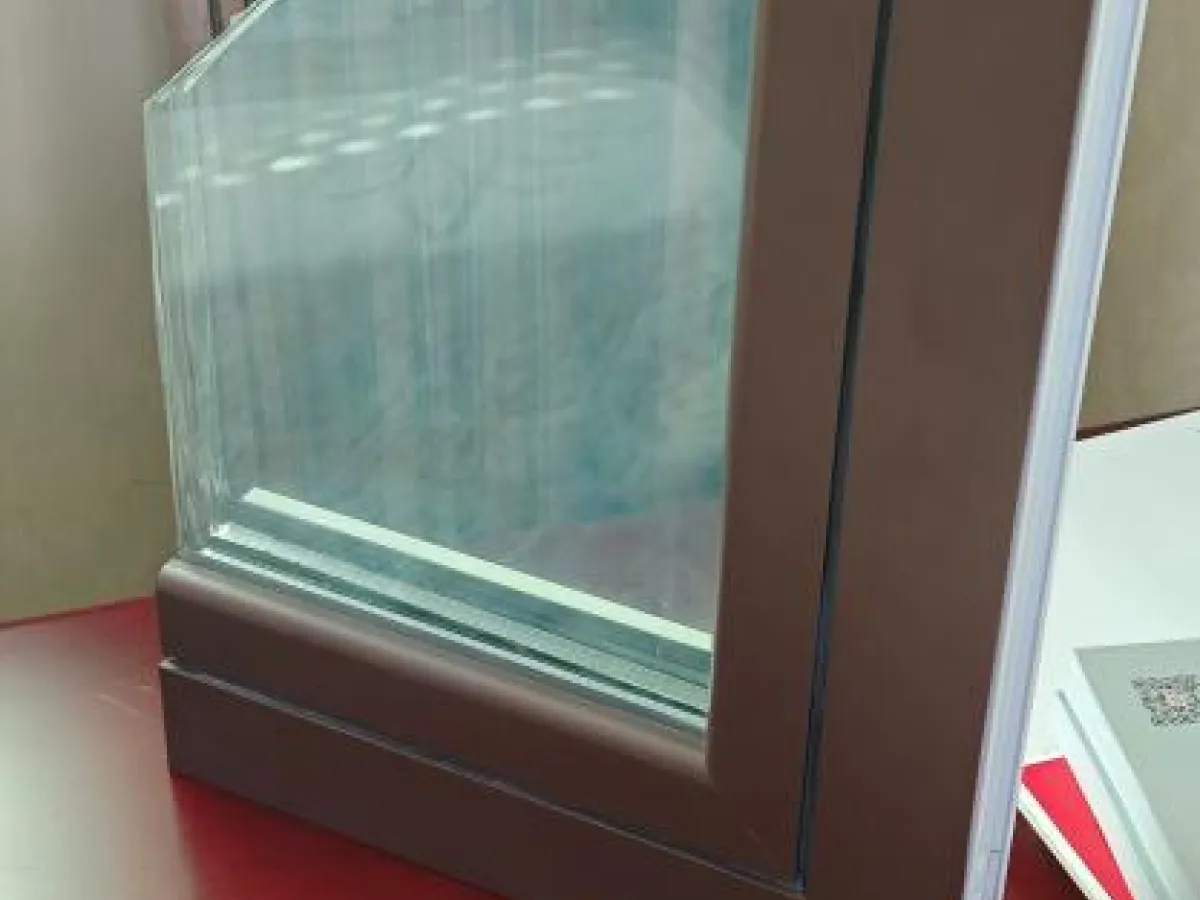
Among these elements, Energy Efficient Aluminium Windows are gaining increasing attention because they combine modern aesthetics, structural strength, and improved thermal performa
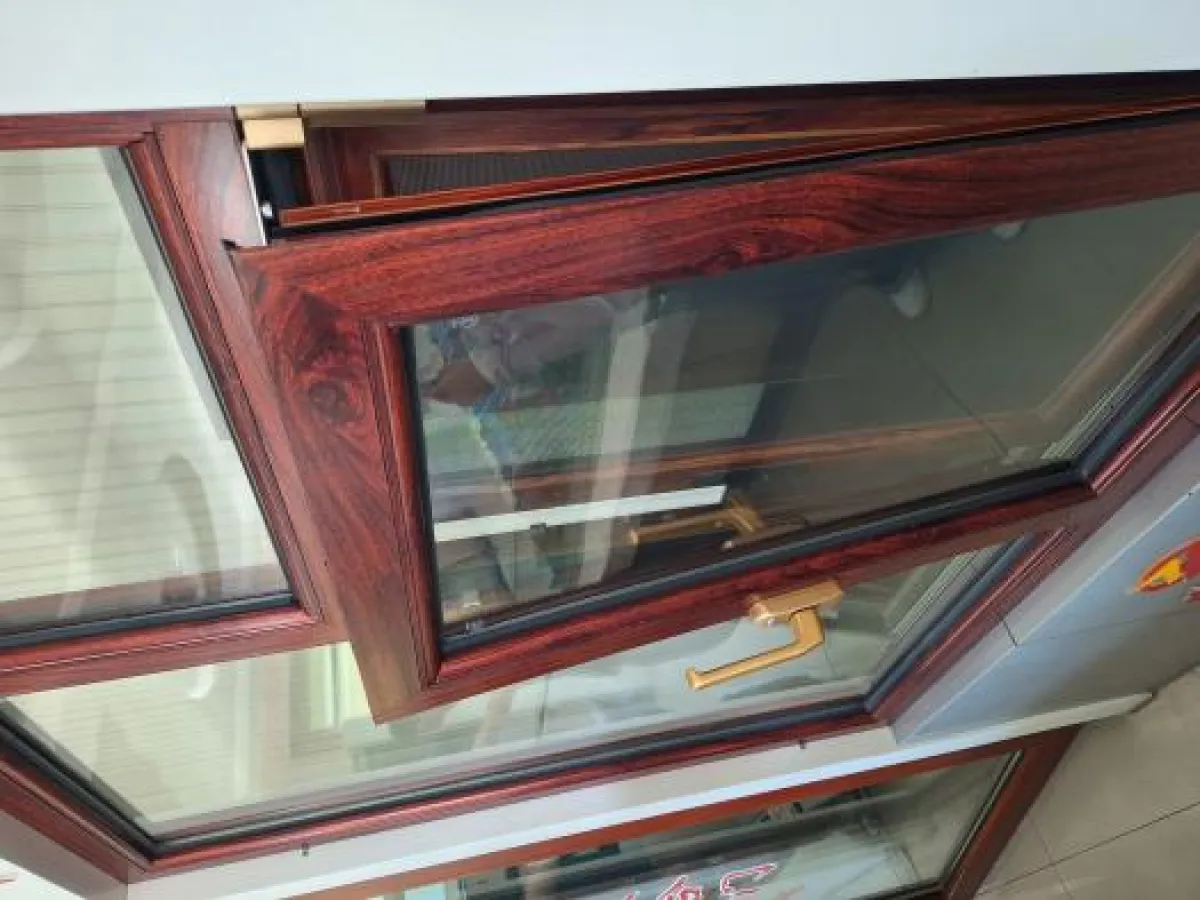
Today, Thermal Break Aluminium Windows are becoming a preferred solution for residential, commercial, and high-performance building projects because they provide a better balance b
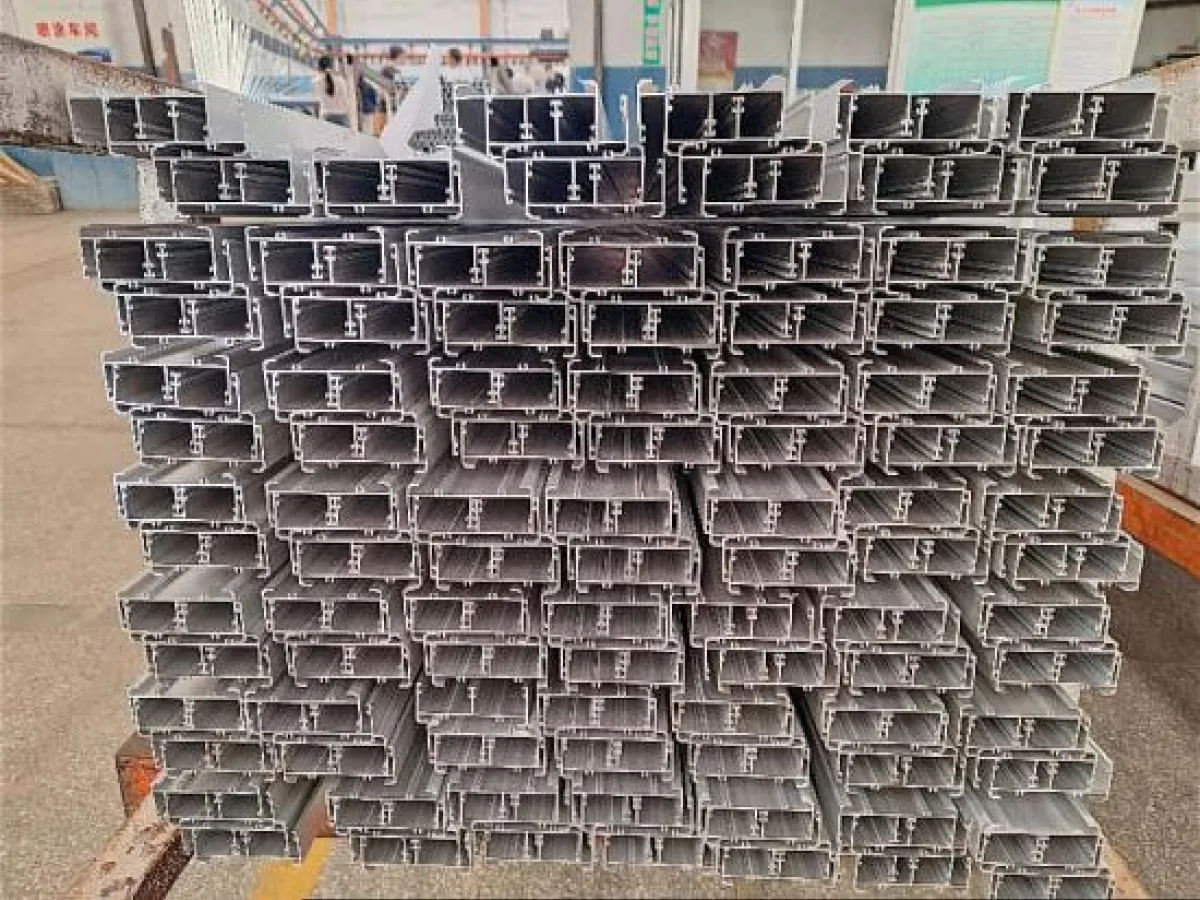
Unlike fully customized solutions, standard aluminum products provide efficient production and faster delivery advantages. They are widely used in machinery frames, equipment struc
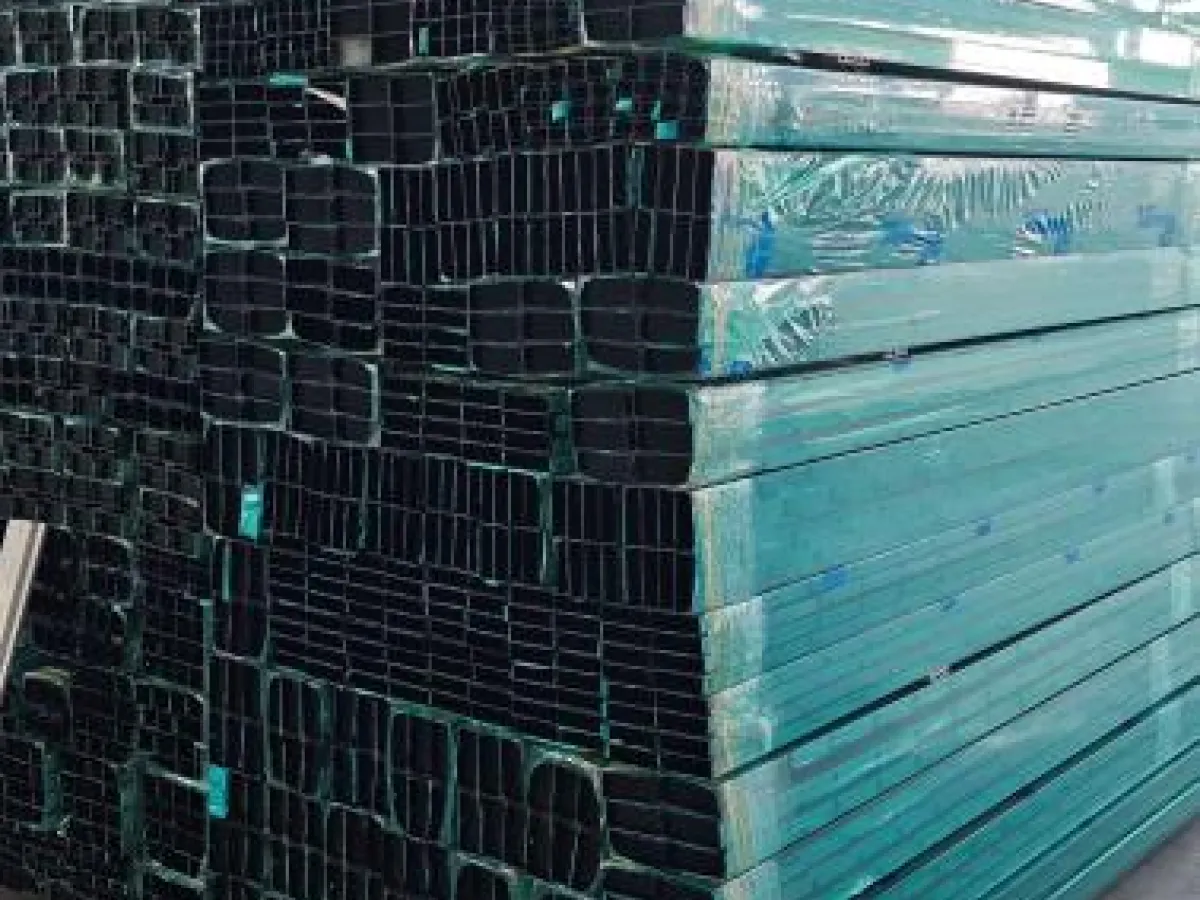
A well-designed Aluminium Facade System needs to combine architectural aesthetics with structural performance, weather resistance, durability, and long-term maintenance requirement
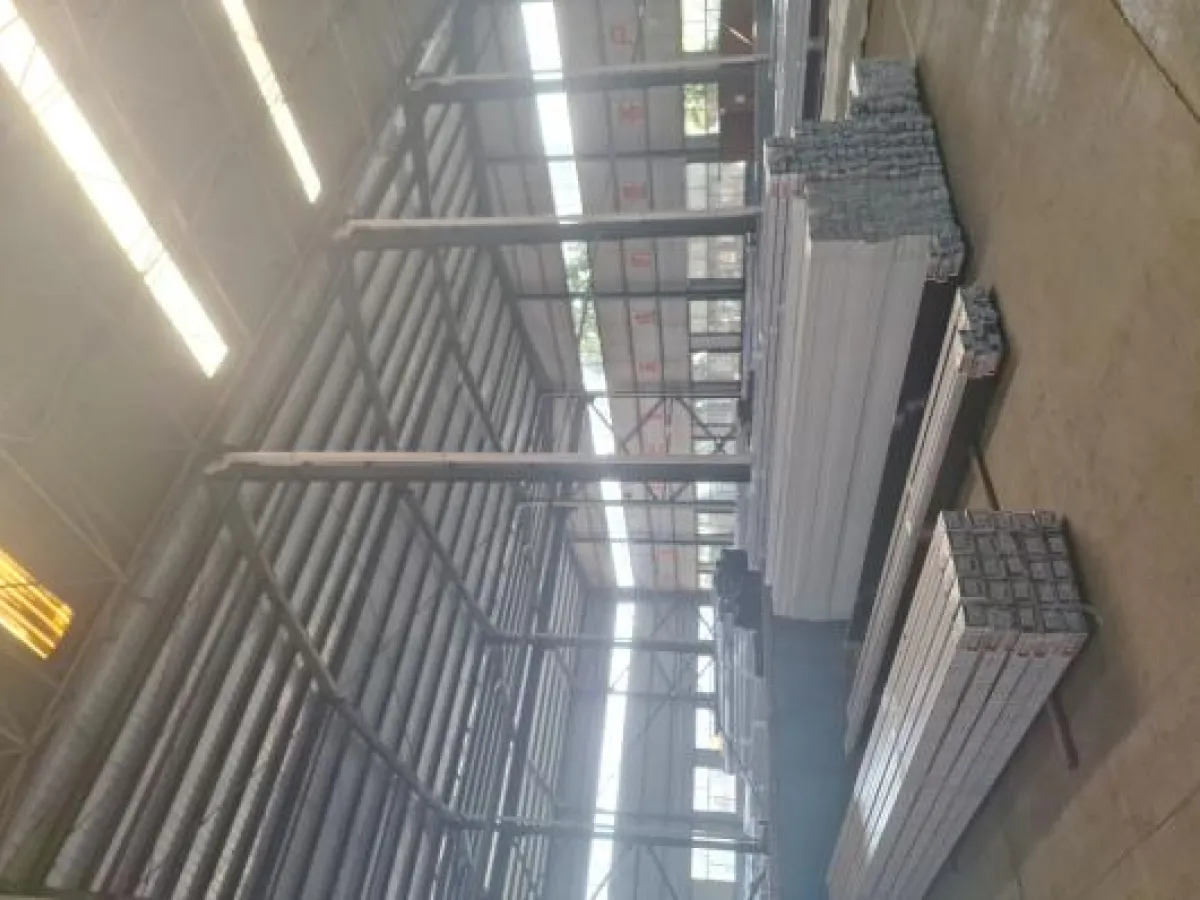
For this reason, selecting suitable Aluminium Curtain Wall Profiles has become an important step in façade engineering. The right profile design can influence installation efficien
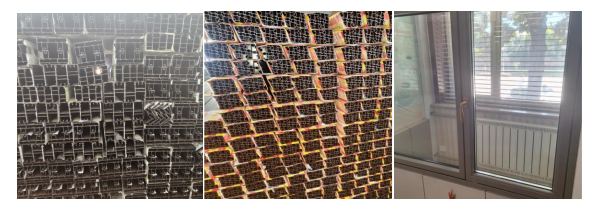
When selecting aluminium window profiles, many buyers focus on price, appearance, or delivery time. However, the real difference between a good and poor-quality profile often appears after installation.
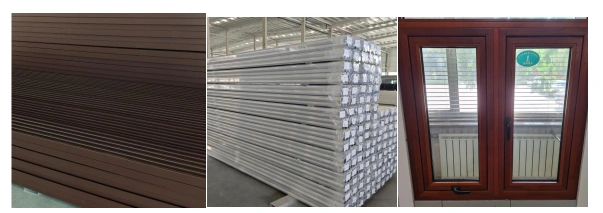
With the development of modern architecture, windows are required to provide not only attractive appearance but also better insulation, security, and long-term durability. In many residential and commercial projects, Casement Window Profiles have become a popular solution because they offer excellent sealing performance, flexible design options, and reliable structural strength.
No 1066,Donghuan Road,Linqu County,Shandong Province,China
 KANGDI


Copyright © 2025 by Shandong Kangdi Aluminum Industry Co., Ltd. All Rights Reserved