When it comes to home renovation or new building projects, choosing the right doors and windows is a decision that impacts comfort, energy efficiency, durability, and even the overall aesthetic of your space. Two of the most popular options on the market today are UPVC (plastic-steel) doors and windows and aluminum alloy doors and windows. Each comes with its own set of strengths and weaknesses, tailored to different needs and environments. Let’s dive into a detailed comparison to help you make an informed choice.
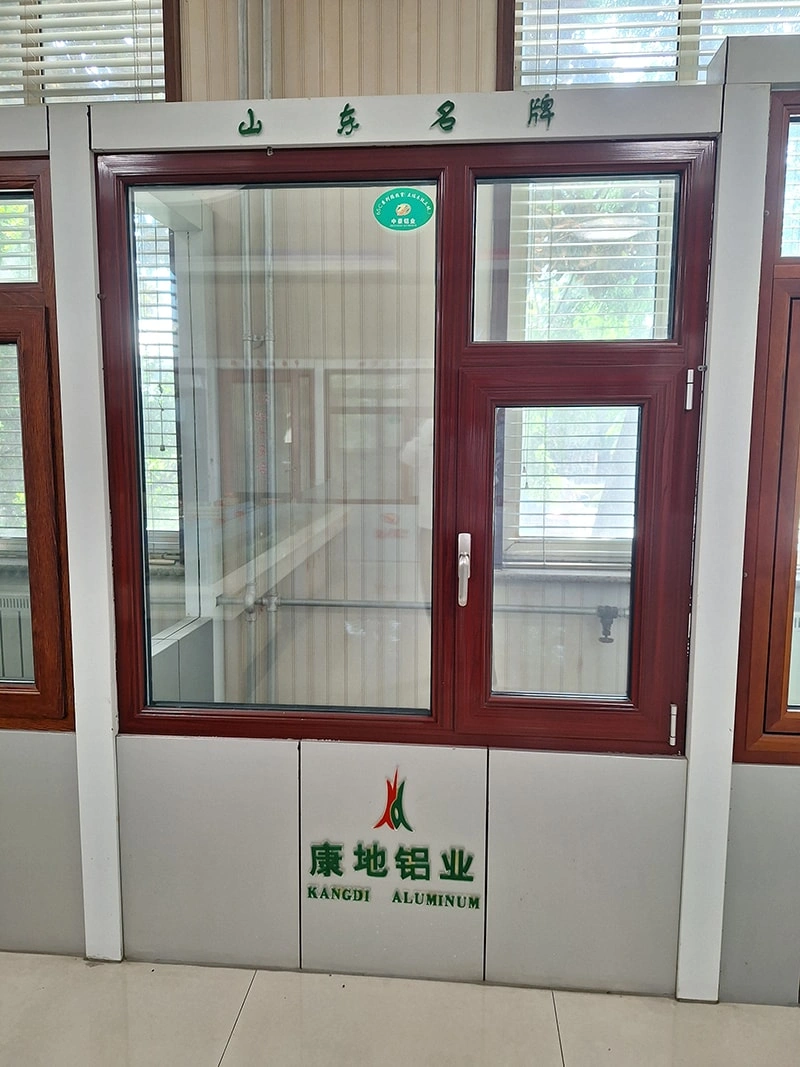
Thermal Insulation & Energy Efficiency: Warmth Meets Cost Savings
One of the top priorities for homeowners is energy efficiency, and this is where UPVC doors and windows truly shine. UPVC material boasts an extremely low thermal conductivity of just 0.16 W/(m·K), which is 20 to 30 times better than aluminum alloy (237 W/(m·K)). This means UPVC acts as a powerful barrier against heat loss in winter and heat gain in summer, reducing heating and cooling costs by 30-50%. For families living in temperate or cold regions, this translates to significant long-term savings on utility bills, making UPVC an ideal choice for bedrooms, living rooms, and other spaces where comfort is key.
Aluminum alloy, on the other hand, is a natural heat conductor, which means it struggles with thermal insulation on its own. However, modern aluminum alloy doors and windows often feature thermal break strips (such as PA66) that improve insulation performance. While this upgrade helps bridge the gap, it also increases the cost by 15-20%, making aluminum alloy a less budget-friendly option for those prioritizing energy efficiency alone.
Soundproofing: Creating a Quiet Haven at Home
In noisy urban environments, soundproofing can make or break your living experience. UPVC doors and windows excel here too, thanks to their multi-chamber structure and tight sealing design. They can block outdoor noise—whether it’s traffic, construction, or neighborhood chatter—by 35-45 dB, creating a peaceful indoor atmosphere. This makes them perfect for homes near busy roads, schools, or commercial areas.
Aluminum alloy doors and windows also offer decent soundproofing (30-40 dB) when paired with hollow glass and high-quality sealant. However, their higher material density allows sound to transmit faster compared to UPVC, so they may not be the best choice if maximum noise reduction is your goal.
Durability & Maintenance: Longevity in Different Environments
Durability and low maintenance are crucial factors for long-term satisfaction. UPVC is inherently corrosion-resistant, able to withstand rust, acid, and alkali without fading or deteriorating. This makes it an excellent choice for coastal areas or humid environments where moisture and salt can damage other materials. With proper installation, UPVC doors and windows require no painting or special treatment for 15-20 years, saving you time and money on upkeep.
Aluminum alloy also offers strong durability, thanks to its natural aluminum oxide layer that resists corrosion. When treated with anodizing or powder coating, it can last 20-25 years, withstanding UV radiation and harsh weather without fading. One advantage of aluminum alloy is its ease of maintenance: scratches can be touched up with paint, and damaged parts can be replaced individually, whereas UPVC scratches or cracks often require full profile replacement.
Aesthetics & Versatility: Matching Your Home’s Style
Your doors and windows should complement your home’s design, and here’s where the two materials differ significantly. UPVC doors and windows have a classic, timeless look, with white and cream being the most common colors. While wood grain laminates are available for a more natural finish, they come at a higher cost, limiting color and style options. This makes UPVC a great fit for traditional or budget-friendly homes where functionality takes precedence over bold design.
Aluminum alloy, on the other hand, is a design powerhouse. It supports a wide range of finishes, including anodizing, powder coating, and wood grain transfer, with over 100 color options to choose from. Its thin, sleek profiles allow for larger glass areas, creating a modern, high-end look that’s perfect for villas, contemporary homes, and commercial buildings. Whether you want a minimalist vibe or a statement-making design, aluminum alloy offers the versatility to bring your vision to life.
Strength & Application: Suitability for Different Spaces
The strength of the material determines its suitability for various applications. UPVC has moderate strength, making it ideal for standard-sized windows (width ≤ 1.5m, height ≤ 2.1m) in residential buildings. It’s not recommended for large openings or high-rise buildings, as it may struggle with wind pressure.
Aluminum alloy, however, has an impressive strength-to-weight ratio. It can handle large-span windows, sliding doors, and even curtain walls (width up to 3m, height up to 3.5m) with ease. Its ability to resist wind pressure (grade 9-12) makes it the top choice for high-rise buildings, commercial complexes, and areas prone to strong winds.
Making the Right Choice: Key Considerations
When choosing between UPVC and aluminum alloy doors and windows, consider the following:
Climate: Opt for UPVC if you live in a temperate or cold region (for energy efficiency) or coastal/humid area (for corrosion resistance). Aluminum alloy is better for hot, tropical regions (heat resistance) or high-wind areas (strength).
Budget: UPVC is 20-30% cheaper overall, making it ideal for budget-conscious projects or mass housing. Aluminum alloy, especially thermal break models, is more expensive but offers long-term value for high-end projects.
Design Needs: If you want a modern, versatile look with large glass areas, aluminum alloy is the way to go. For a classic, low-maintenance option, UPVC is perfect.
Space Requirements: Choose aluminum alloy for large openings, high-rises, or commercial spaces. UPVC works well for standard residential windows and indoor spaces.
Both UPVC and aluminum alloy doors and windows have their unique advantages, and the best choice depends on your specific needs and priorities. Whether you prioritize energy efficiency, design, durability, or budget, understanding their pros and cons will help you create a space that’s comfortable, functional, and stylish for years to come.
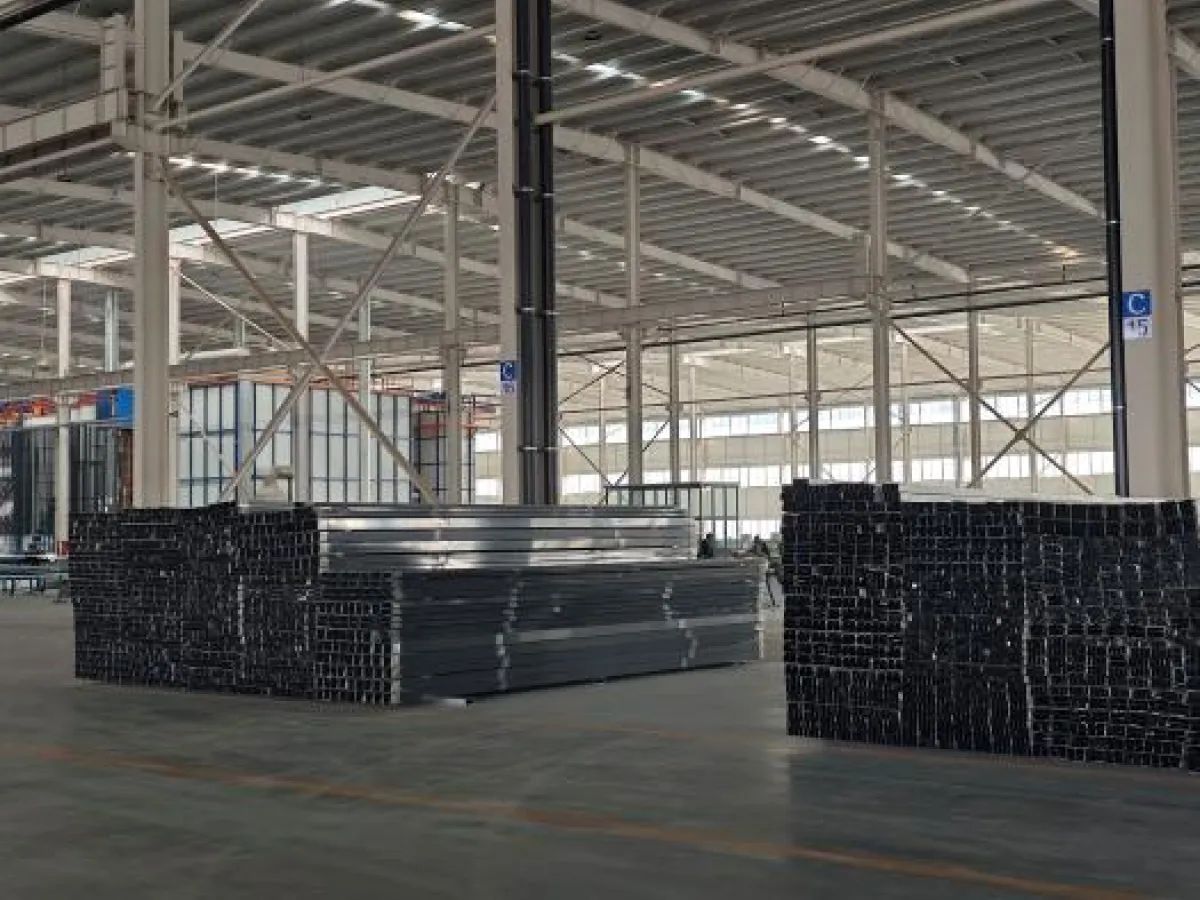
Energy efficiency has become an important consideration in modern construction. Architects, builders, and window manufacturers are looking for materials that can provide better ins
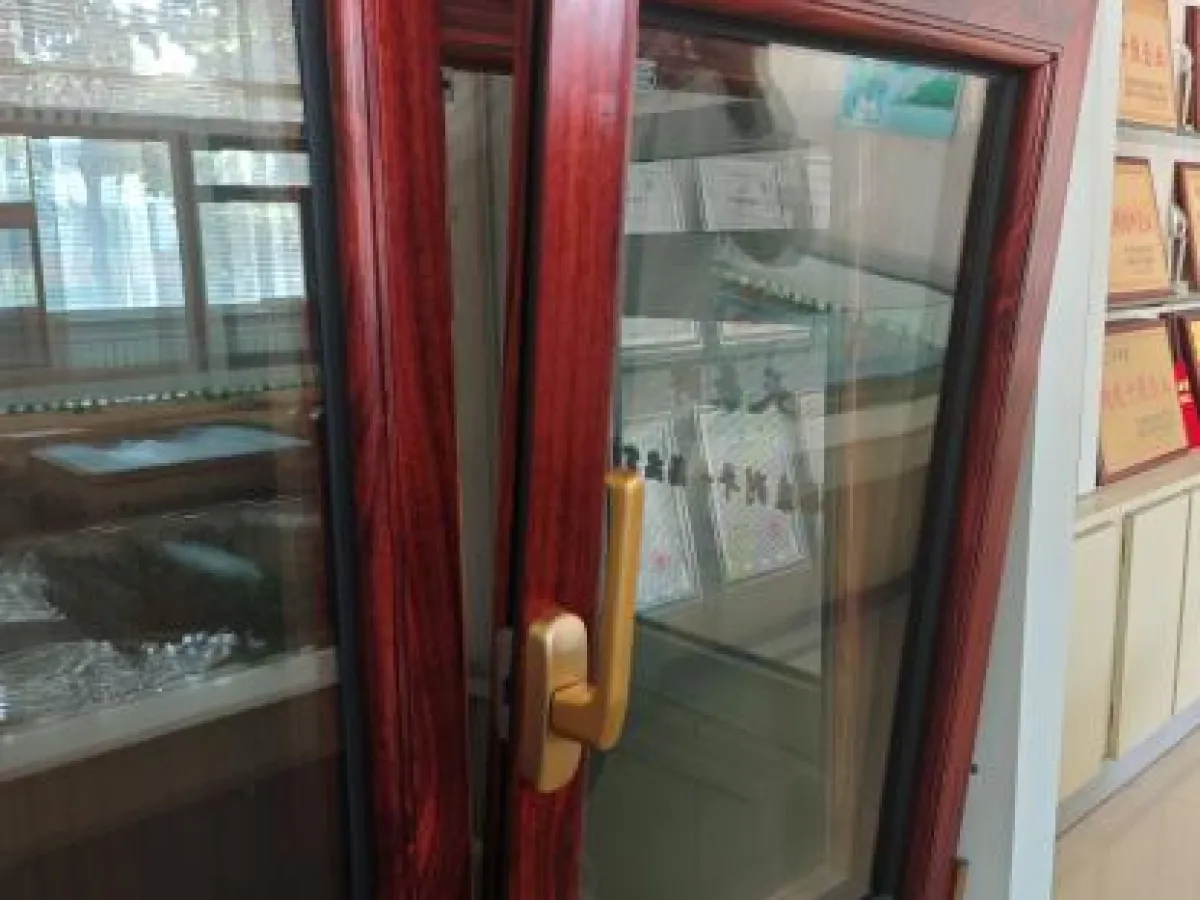
Different applications require different profile designs and performance standards. For example, aluminium profiles used for doors and windows may focus more on dimensional accurac
Whether the application is construction, industrial equipment, transportation, or customized projects, the quality and reliability of the supplier directly affect the final product
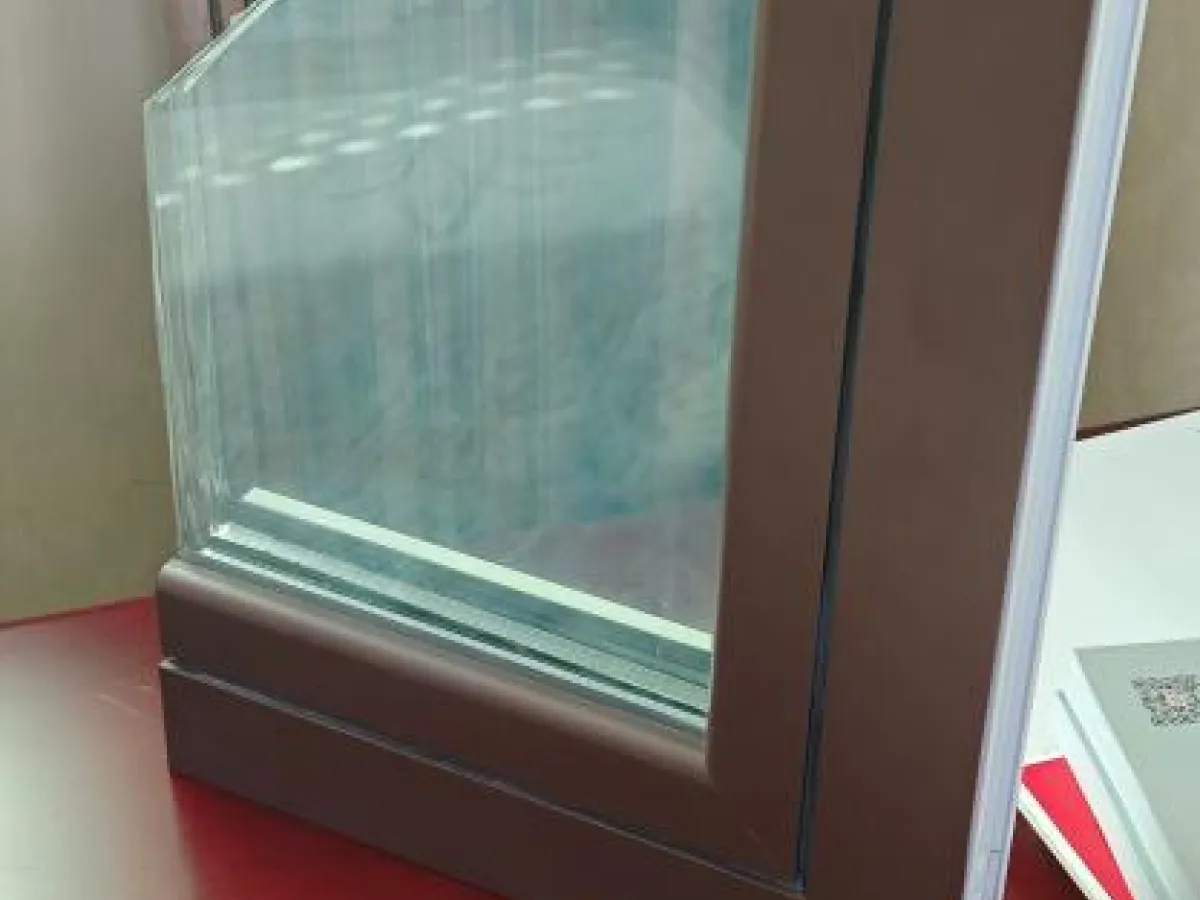
Among these elements, Energy Efficient Aluminium Windows are gaining increasing attention because they combine modern aesthetics, structural strength, and improved thermal performa
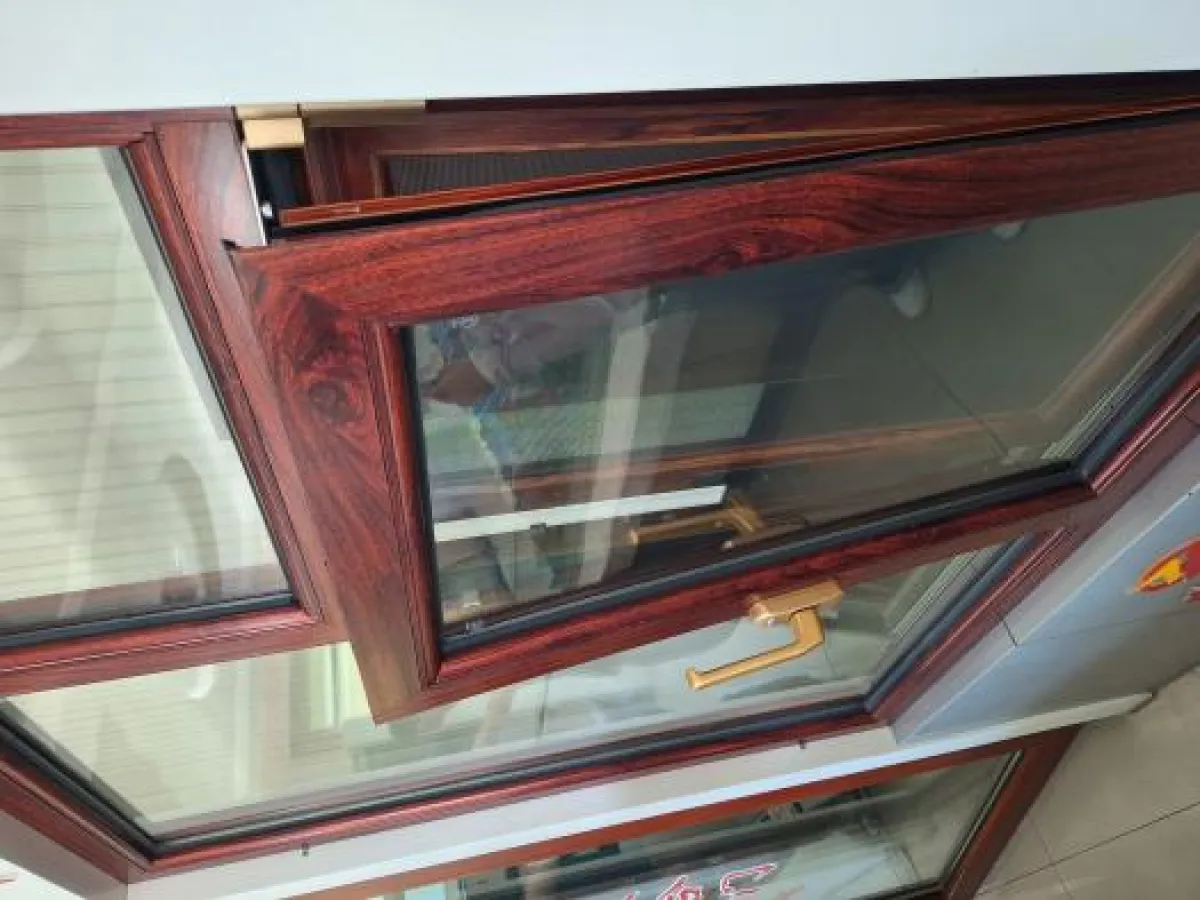
Today, Thermal Break Aluminium Windows are becoming a preferred solution for residential, commercial, and high-performance building projects because they provide a better balance b
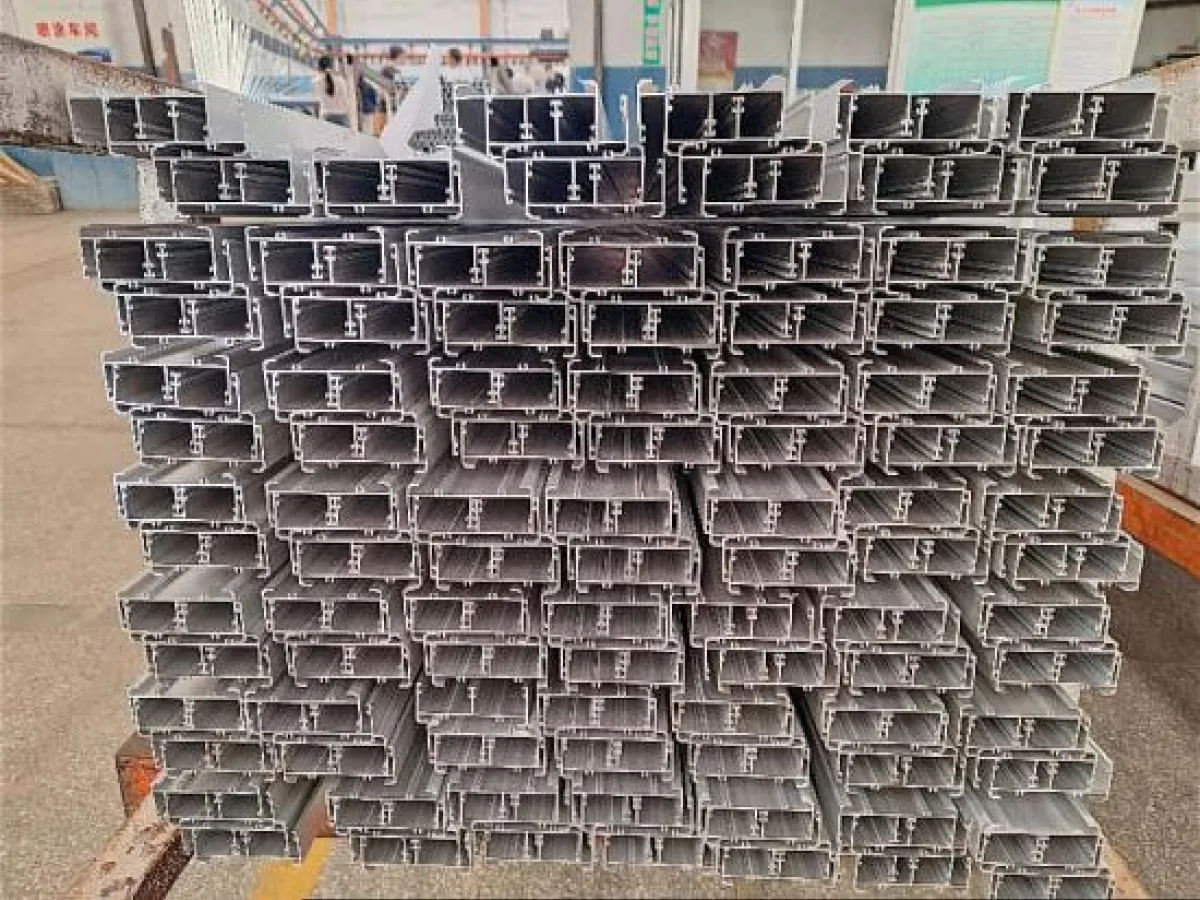
Unlike fully customized solutions, standard aluminum products provide efficient production and faster delivery advantages. They are widely used in machinery frames, equipment struc
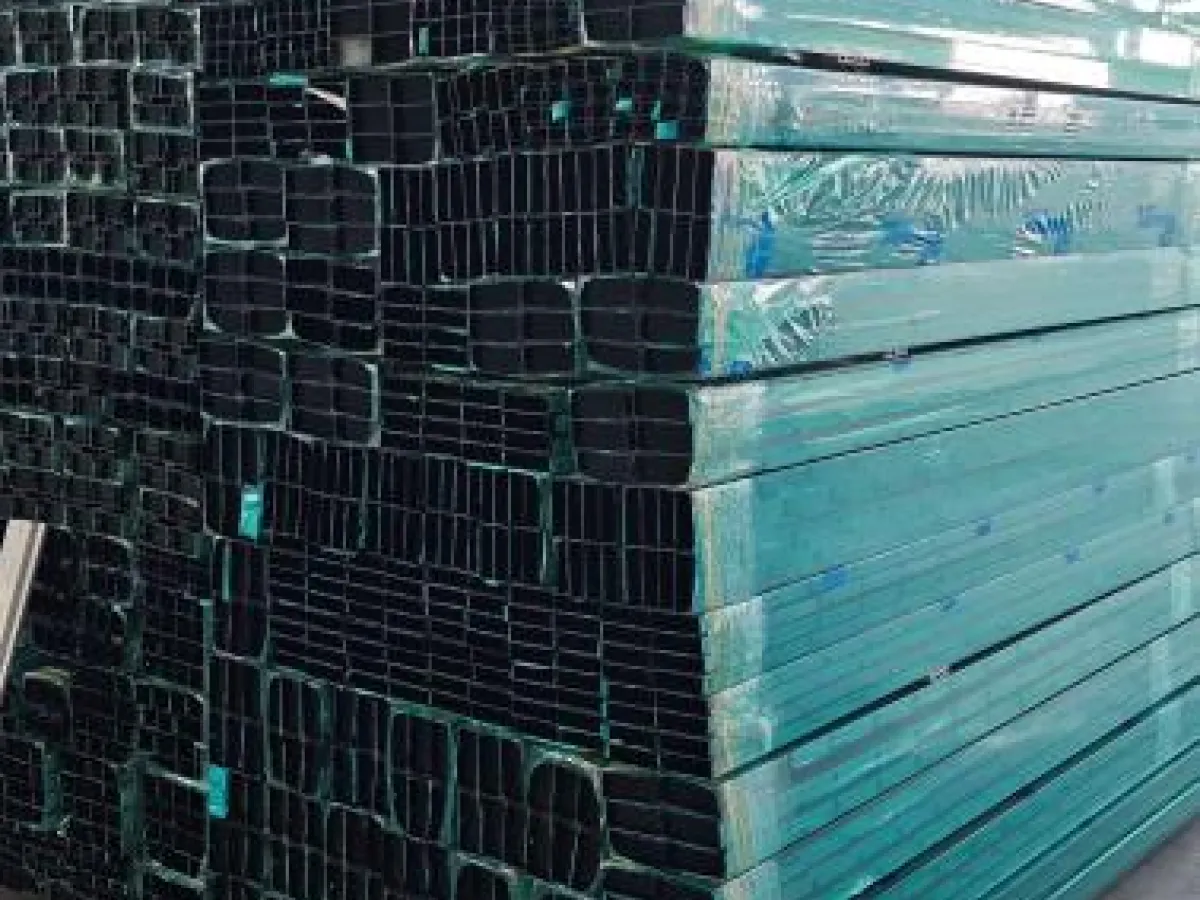
A well-designed Aluminium Facade System needs to combine architectural aesthetics with structural performance, weather resistance, durability, and long-term maintenance requirement
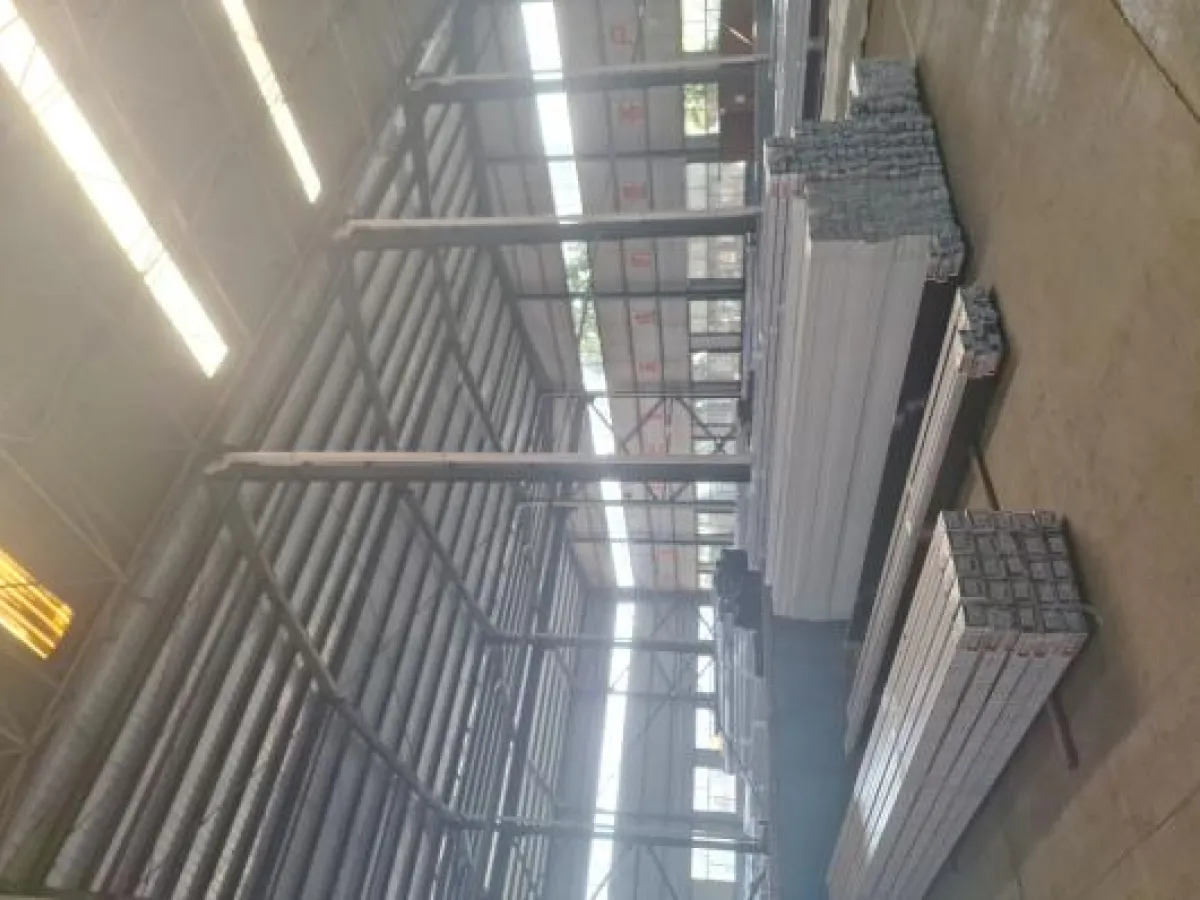
For this reason, selecting suitable Aluminium Curtain Wall Profiles has become an important step in façade engineering. The right profile design can influence installation efficien
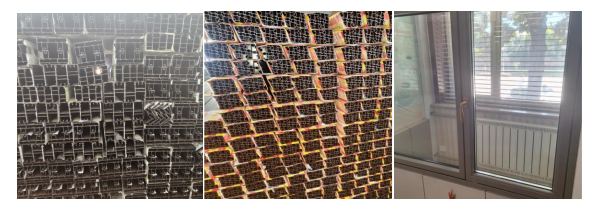
When selecting aluminium window profiles, many buyers focus on price, appearance, or delivery time. However, the real difference between a good and poor-quality profile often appears after installation.
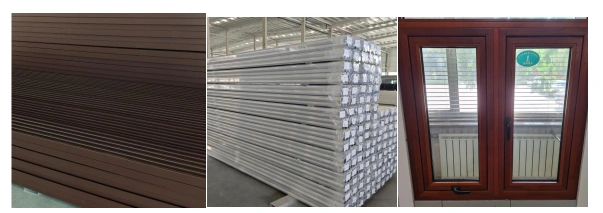
With the development of modern architecture, windows are required to provide not only attractive appearance but also better insulation, security, and long-term durability. In many residential and commercial projects, Casement Window Profiles have become a popular solution because they offer excellent sealing performance, flexible design options, and reliable structural strength.
No 1066,Donghuan Road,Linqu County,Shandong Province,China
 KANGDI


Copyright © 2025 by Shandong Kangdi Aluminum Industry Co., Ltd. All Rights Reserved